Science at Heamoor aims to provide our children with an in depth understanding of key theories and give them a range of skills that allow them to better understand the world around them. We want our children to be curious in their learning and enjoy the element of ‘wonder’ that our science lessons provide. We develop our children’s ‘growth mindset’ by encouraging them to learn from setbacks and providing them with an understanding that theory does not always go into practise. We aim to open doors for our children and provide them with an understanding of how they can have a career in science in the future. Frequent links to the ‘real world’ and regular opportunities for our children to be ‘hands on’ in their learning, allows them to understand how science will impact their day to day lives.
Our science lessons promote our children’s ability to read key vocabulary and comprehend information in a number of ways by interpreting results and exploring written theories. Discussions, debates, regular questioning and collaborative learning is used to enhance our children’s oracy skills. Our children are challenged to speak like scientists and accurately use key scientific vocabulary to strengthen their understanding. Science at Heamoor is inclusive for all through practical experiences, adapted resources and appropriate questioning. Science also develops our children’s cultural capital by developing their understanding of a range of scientists and exploring the global impact that science has today. Attendance and positive behaviour are promoted through our science lessons through regular opportunities to conduct exciting experiments that support our children’s understanding of the wider world.
How We Know Our Curriculum Works
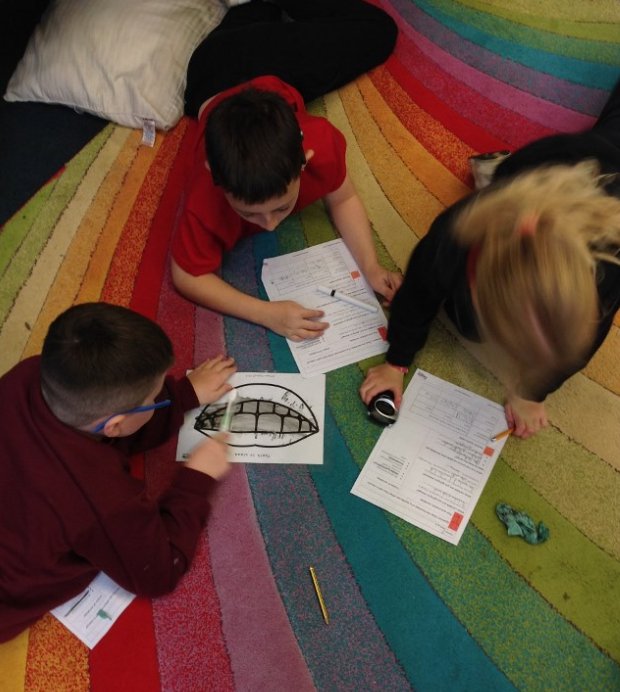
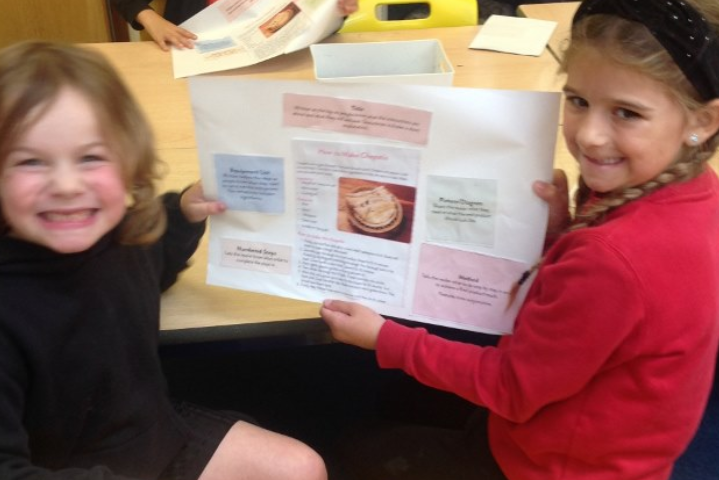
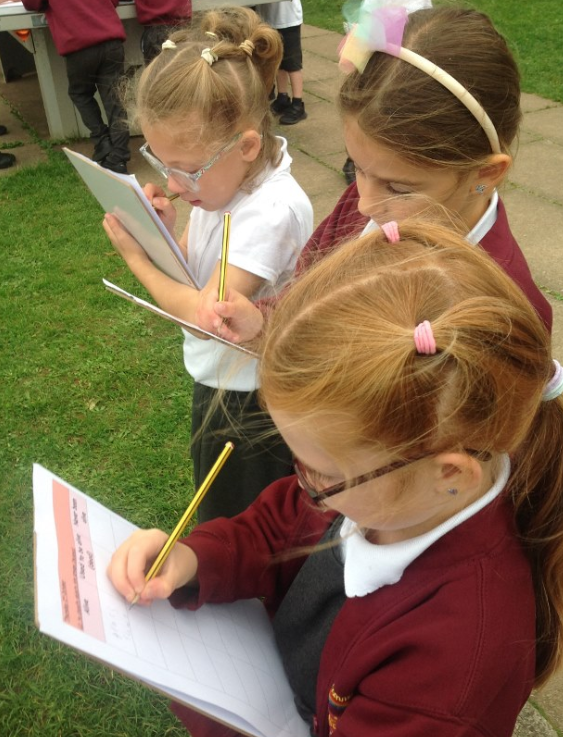
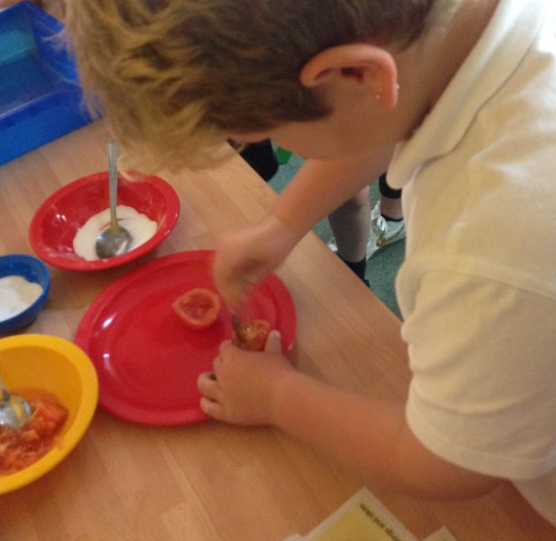
Science at Heamoor School has a positive impact on children’s levels of resilience, confidence and learning. Our children speak enthusiastically about their science. They particularly enjoy being ‘hands on’ in their learning and love to conduct experiments. They are able to explain scientific theories across all three disciplines of science and set up experiments and record results to further support their understanding. Our science provision allows our children to develop their skills each year and build on their previous understanding. They are encouraged to make connections between different elements of scientific information that are presented to them and to make links with the real world. Our new science books promote the learning that has taken place in the classroom and highlights the importance of science as a subject. We provide our children with a wide range of opportunities in science which ensures that our children are ready for science at secondary school.

Mr Tom McGarry
Science Lead
Science on a Page
Science - Intent, Implementation and Impact
Our Curriculum - Science
'Kapow'
Kapow is used through the school to teach science.
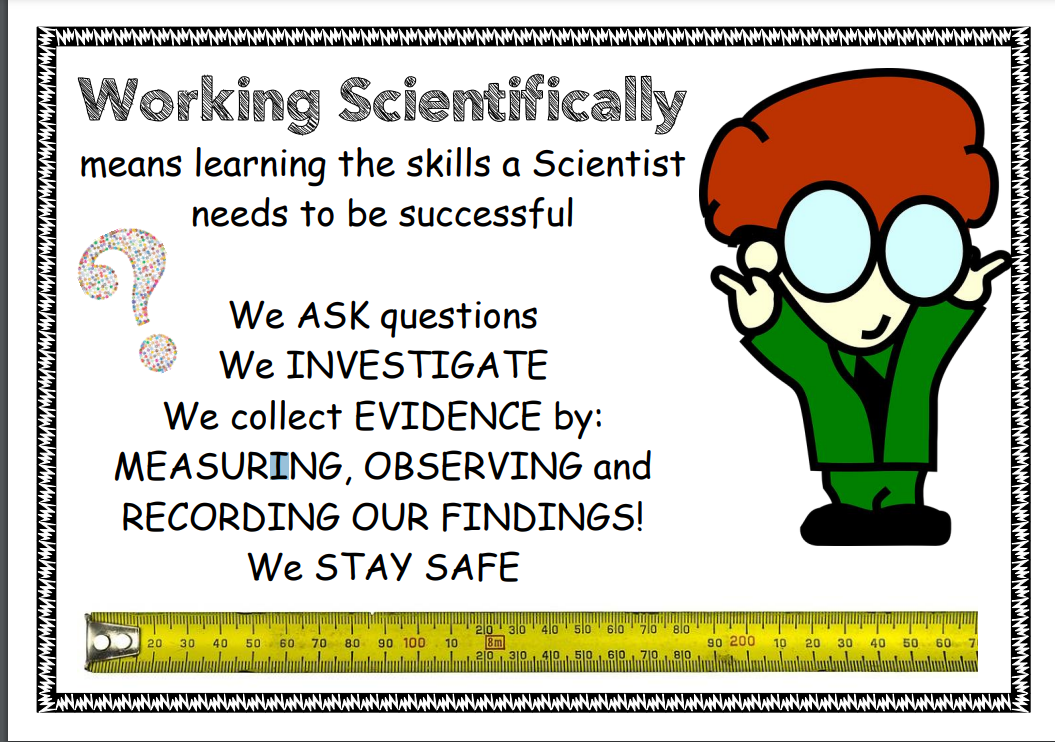
Why we chose Kapow - ''Kapow Primary’s Science scheme of work aims to inspire pupils to become curious, inquisitive and analytical thinkers with a broad understanding of the natural world – in other words, to think like scientists. The intention is for pupils to develop the confidence to ask questions, make observations, carry out investigations, record data in a variety of ways and analyse and present their findings.''
Kapow Primary - Science

Progression of Skills - Science
Science Provision Map
Assessment
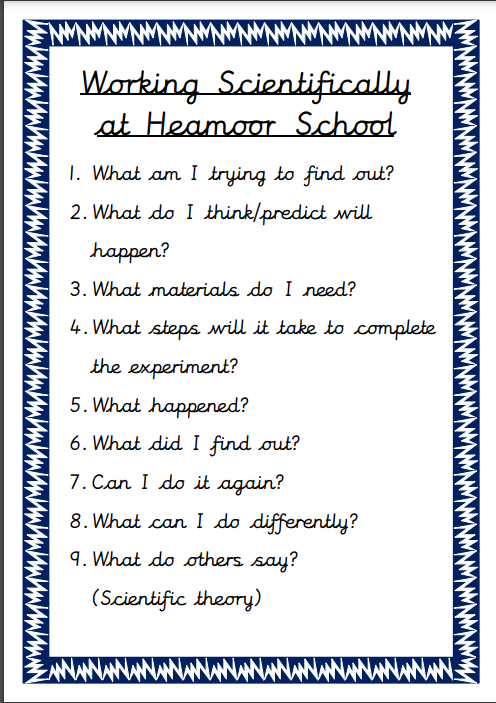
Science assessment allows our teachers to fully understand where each child is on their scientific journey. Our teachers will frequently ask questions and provide children with further challenge when appropriate. A pre and post teach may also be used to ensure that all of our children achieve clarity in their understanding. At the end of every unit of work, our children will complete a ‘hot task’ which assess their learning.
Science in Action
Science in Action
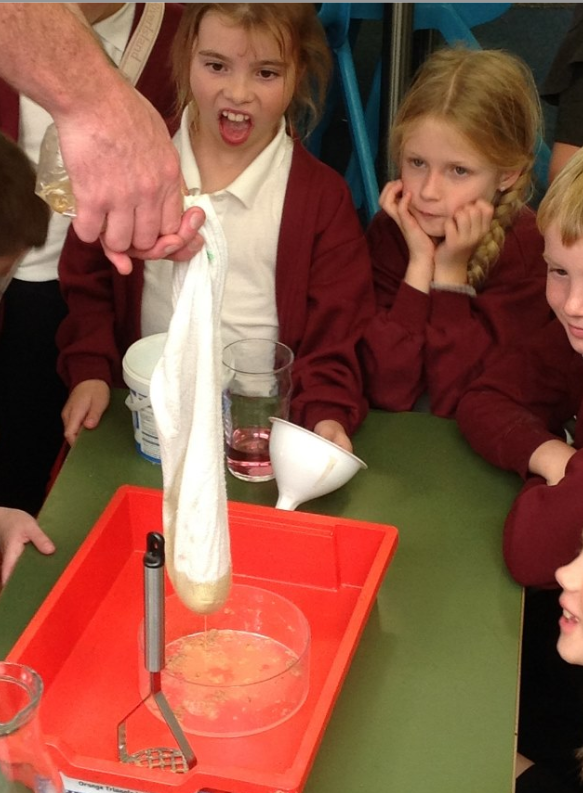
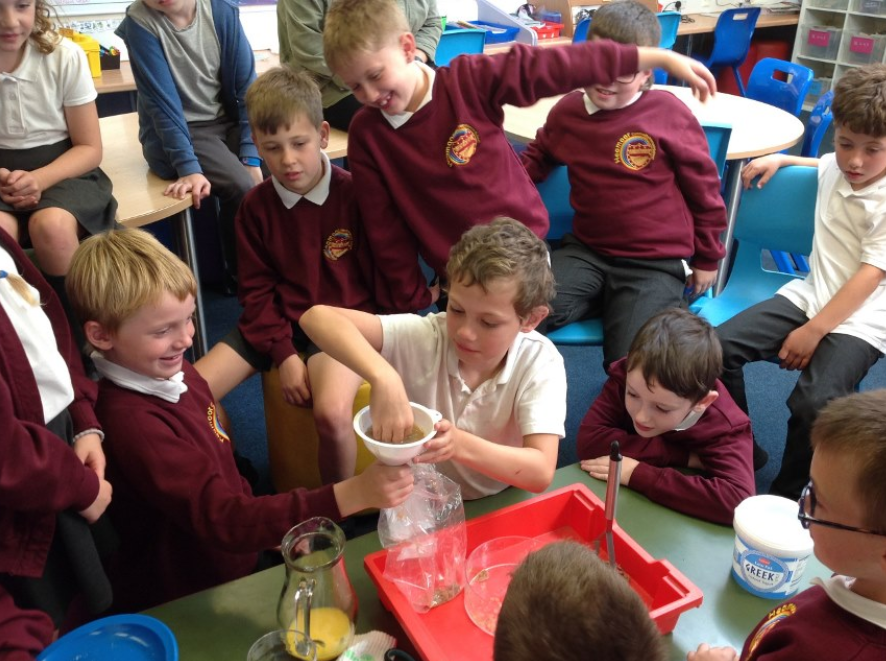
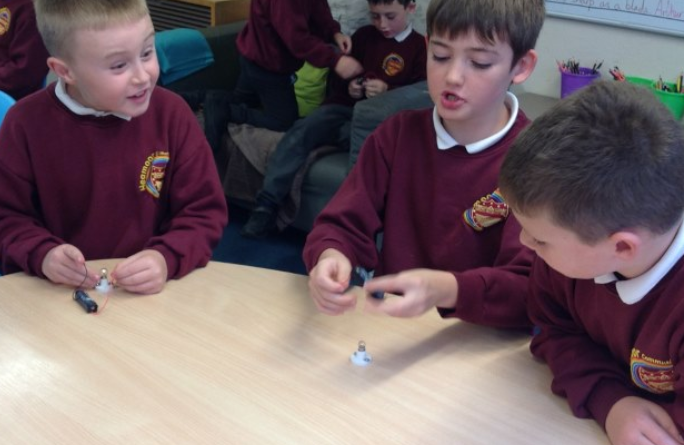
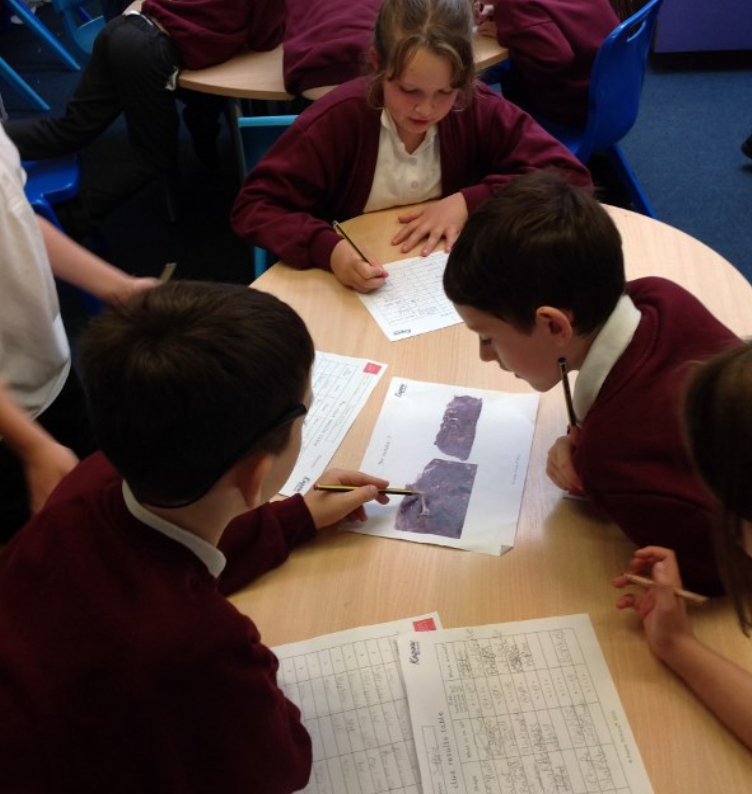
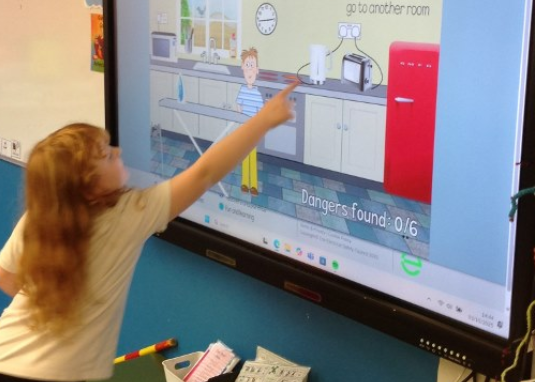
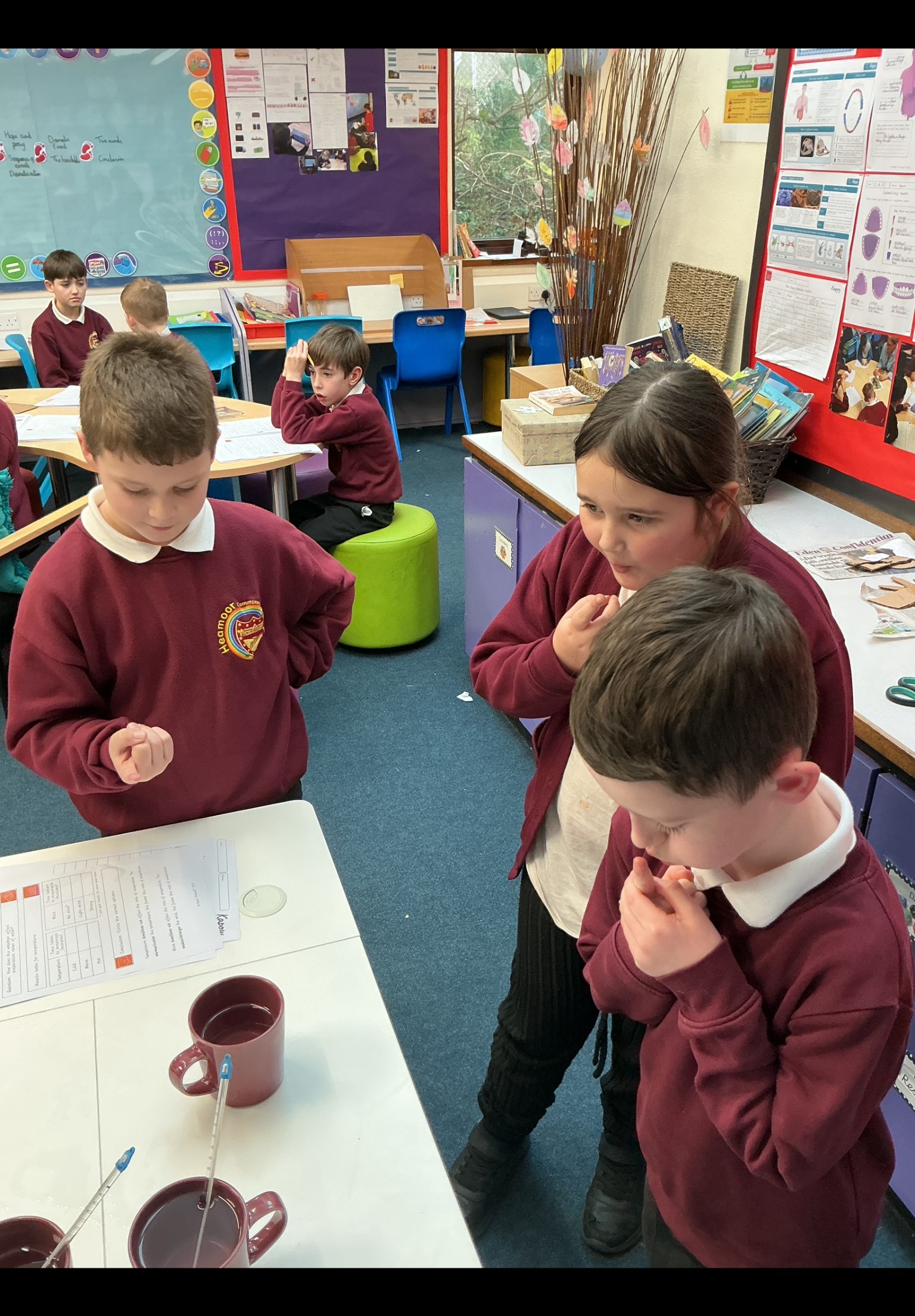
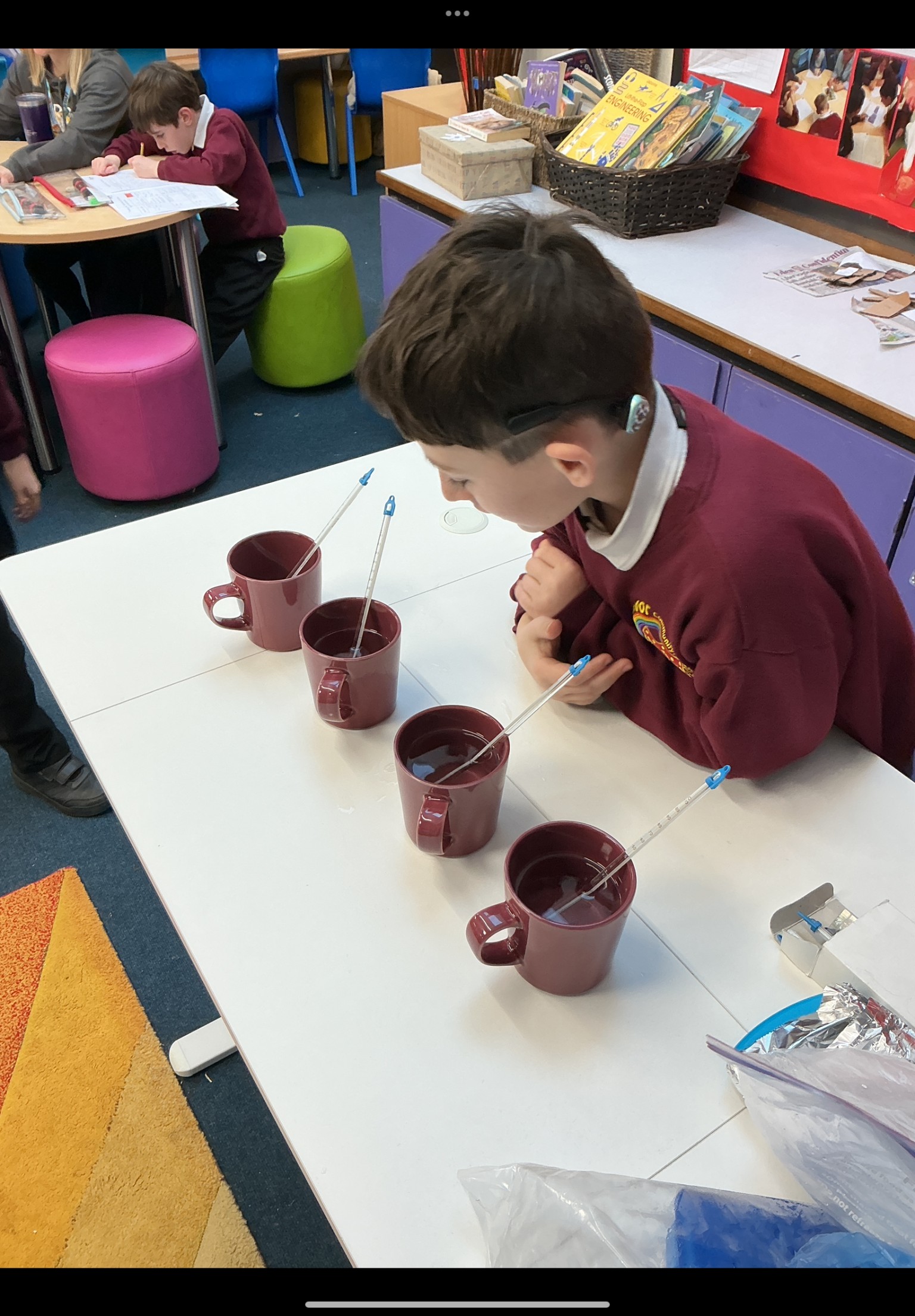
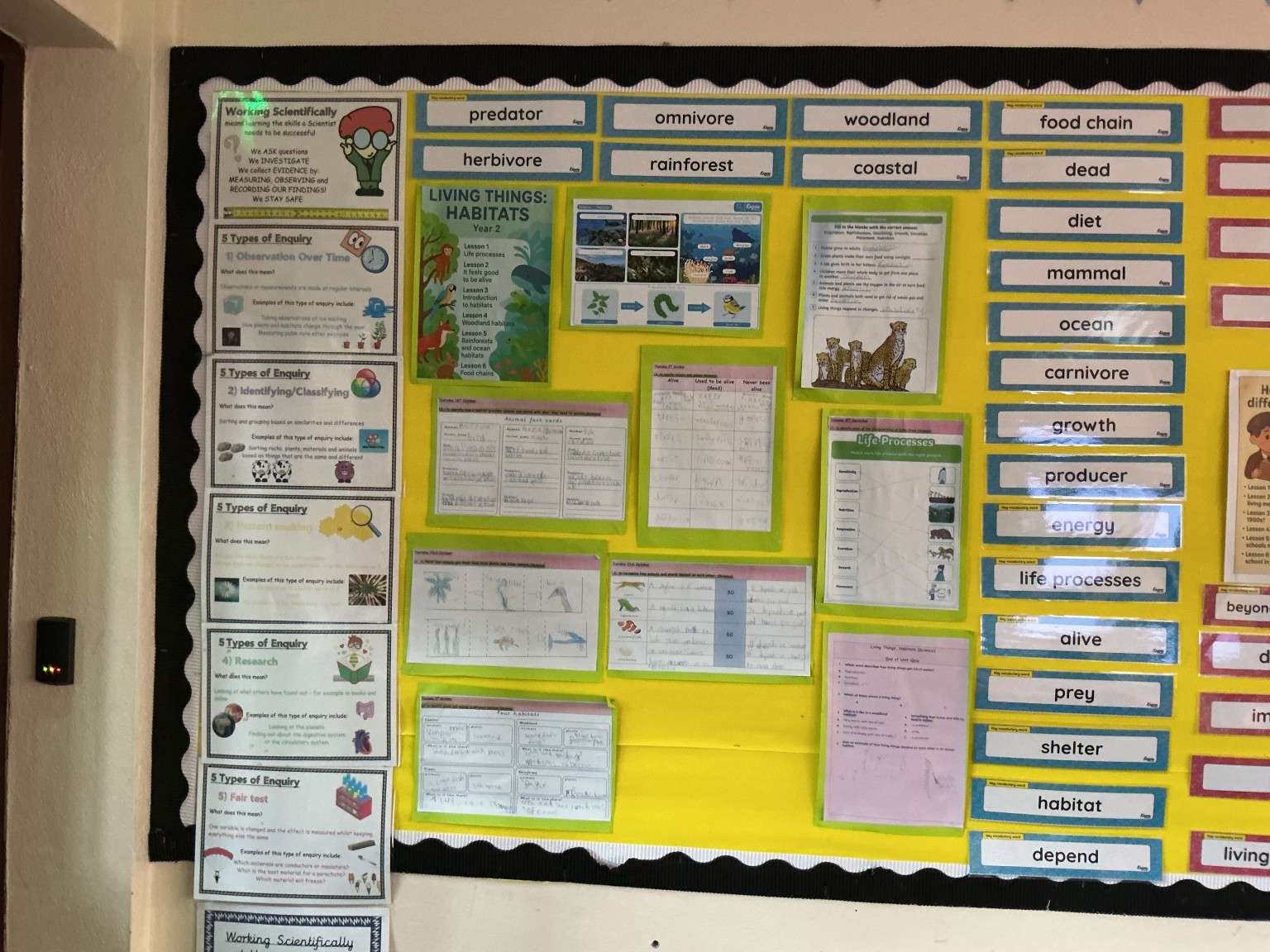
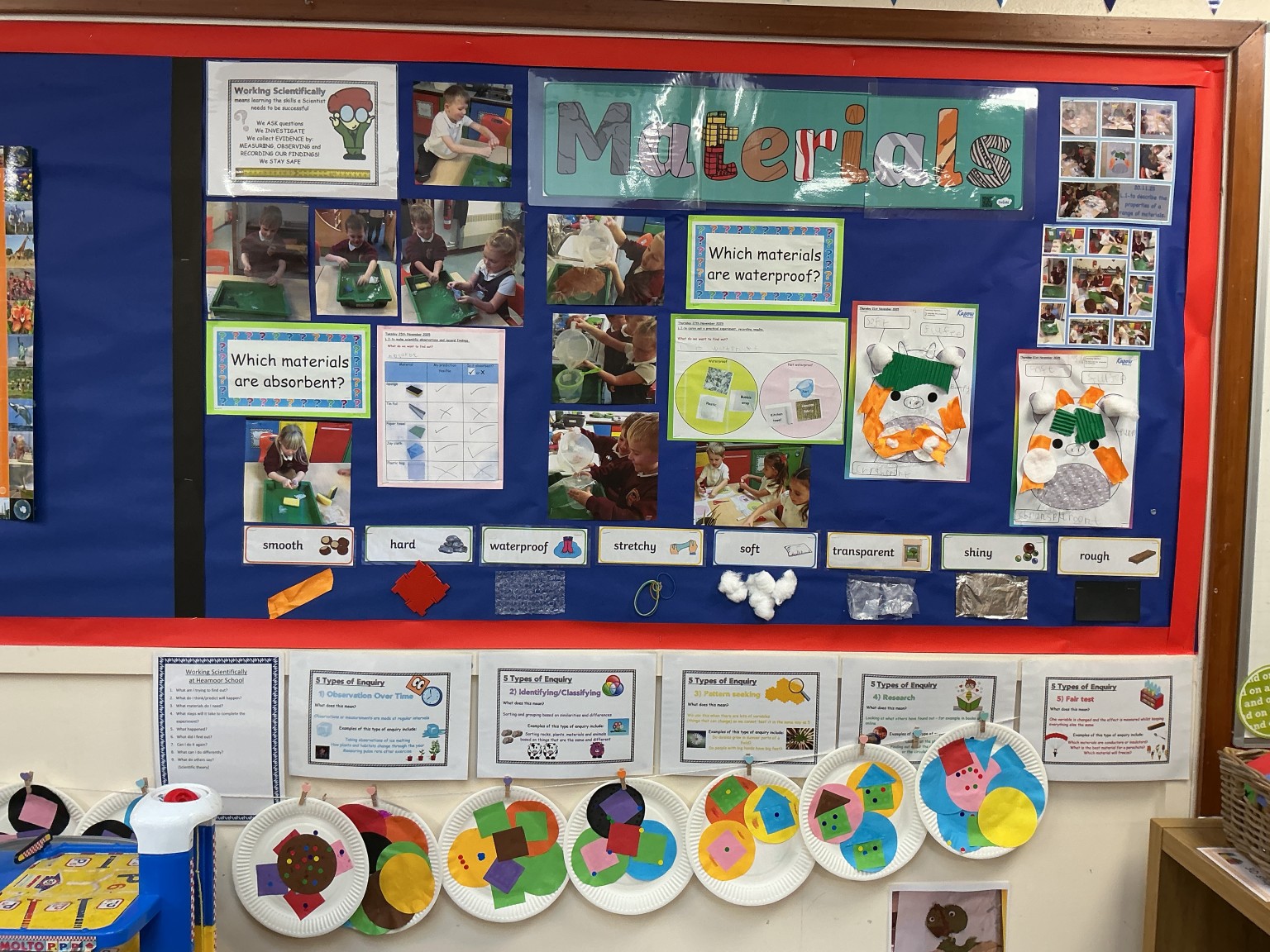
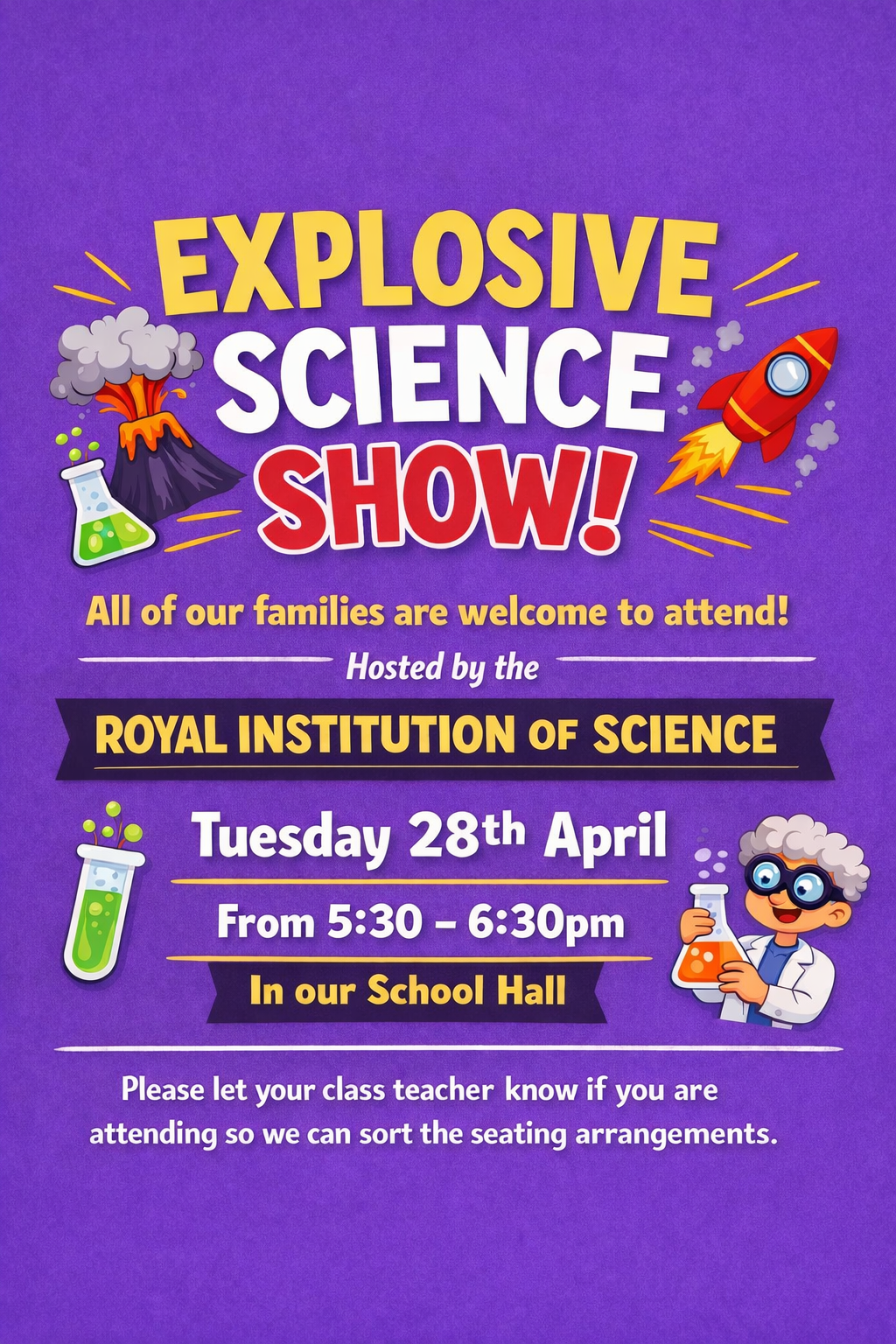
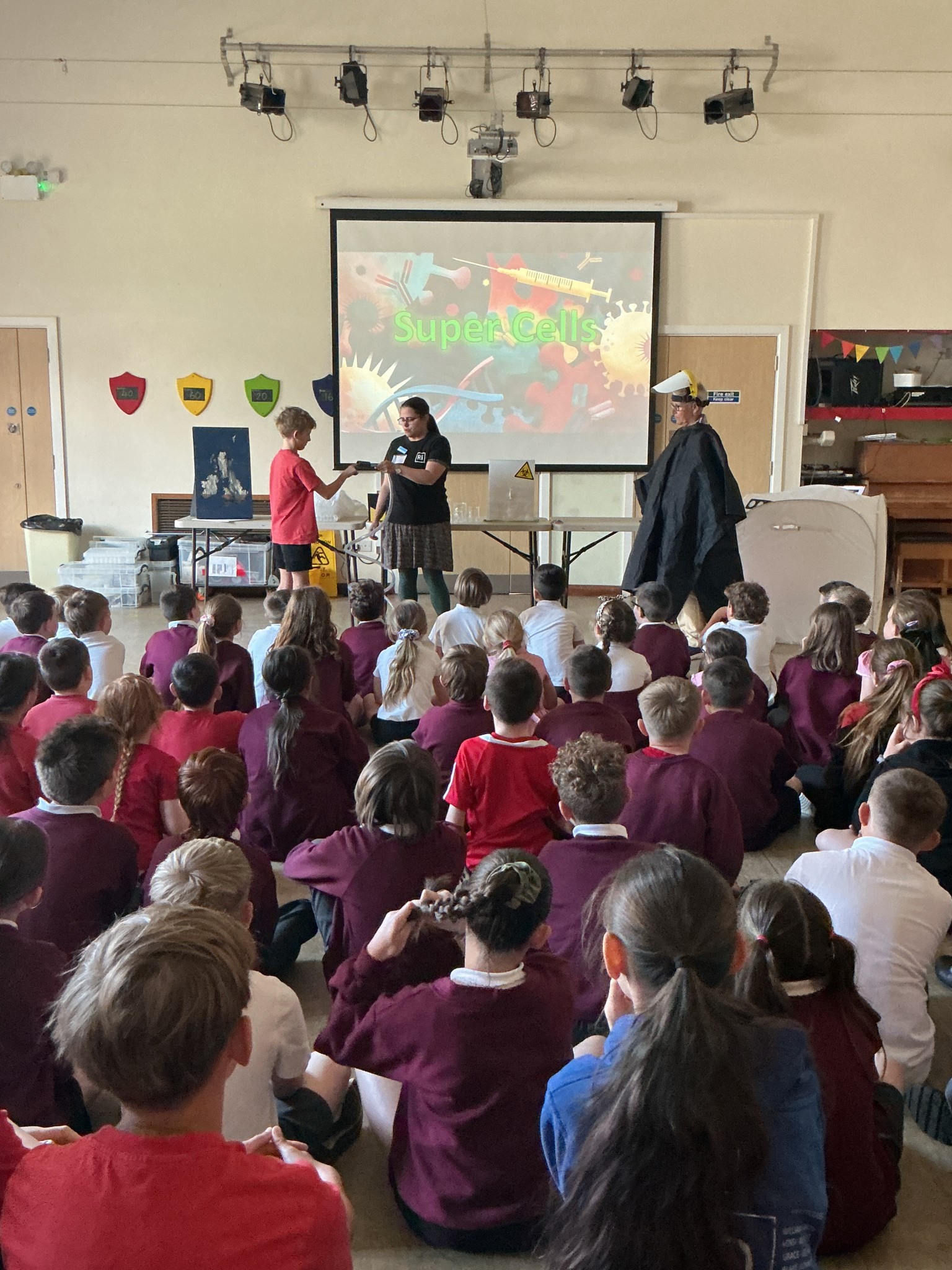
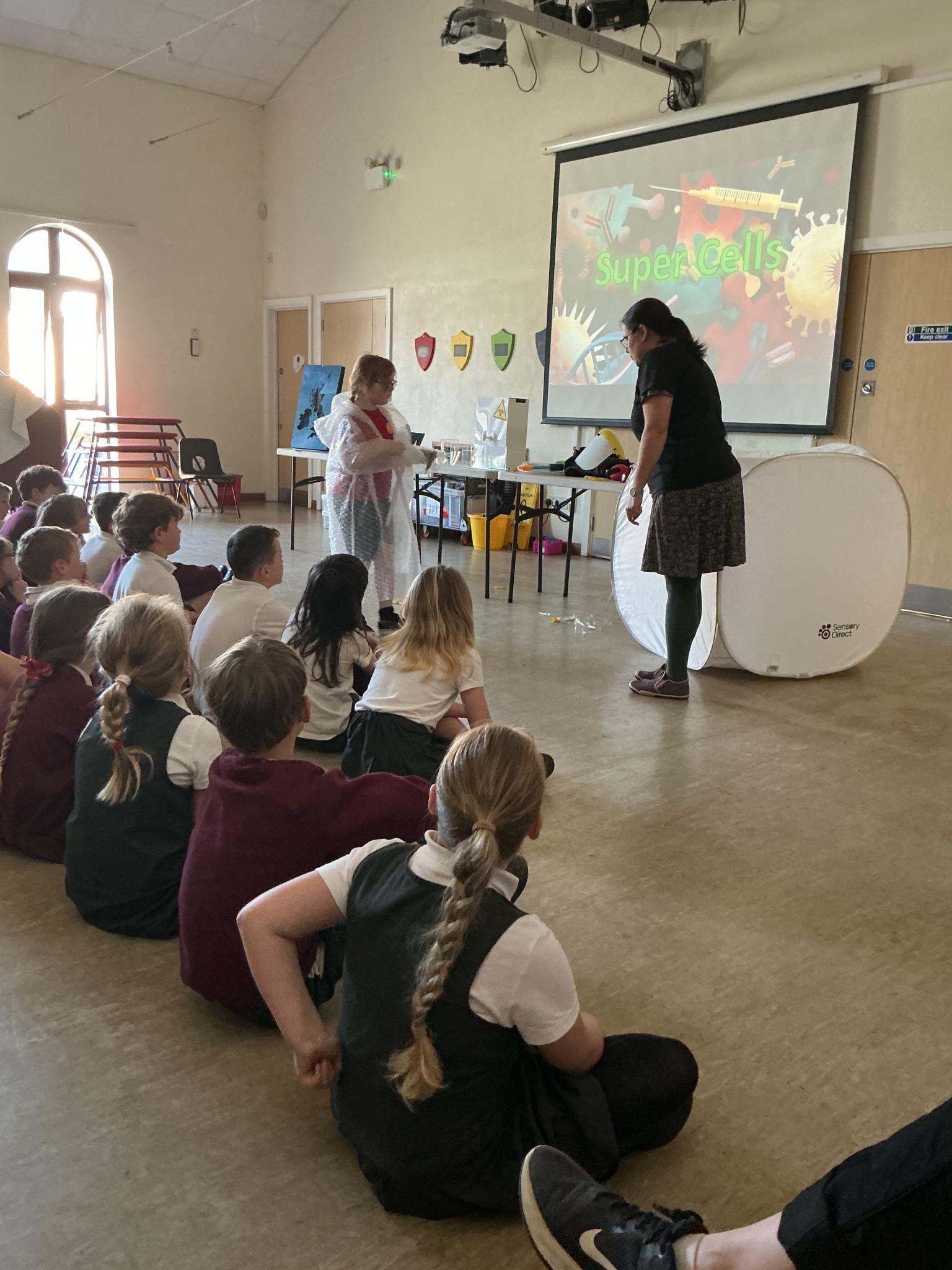
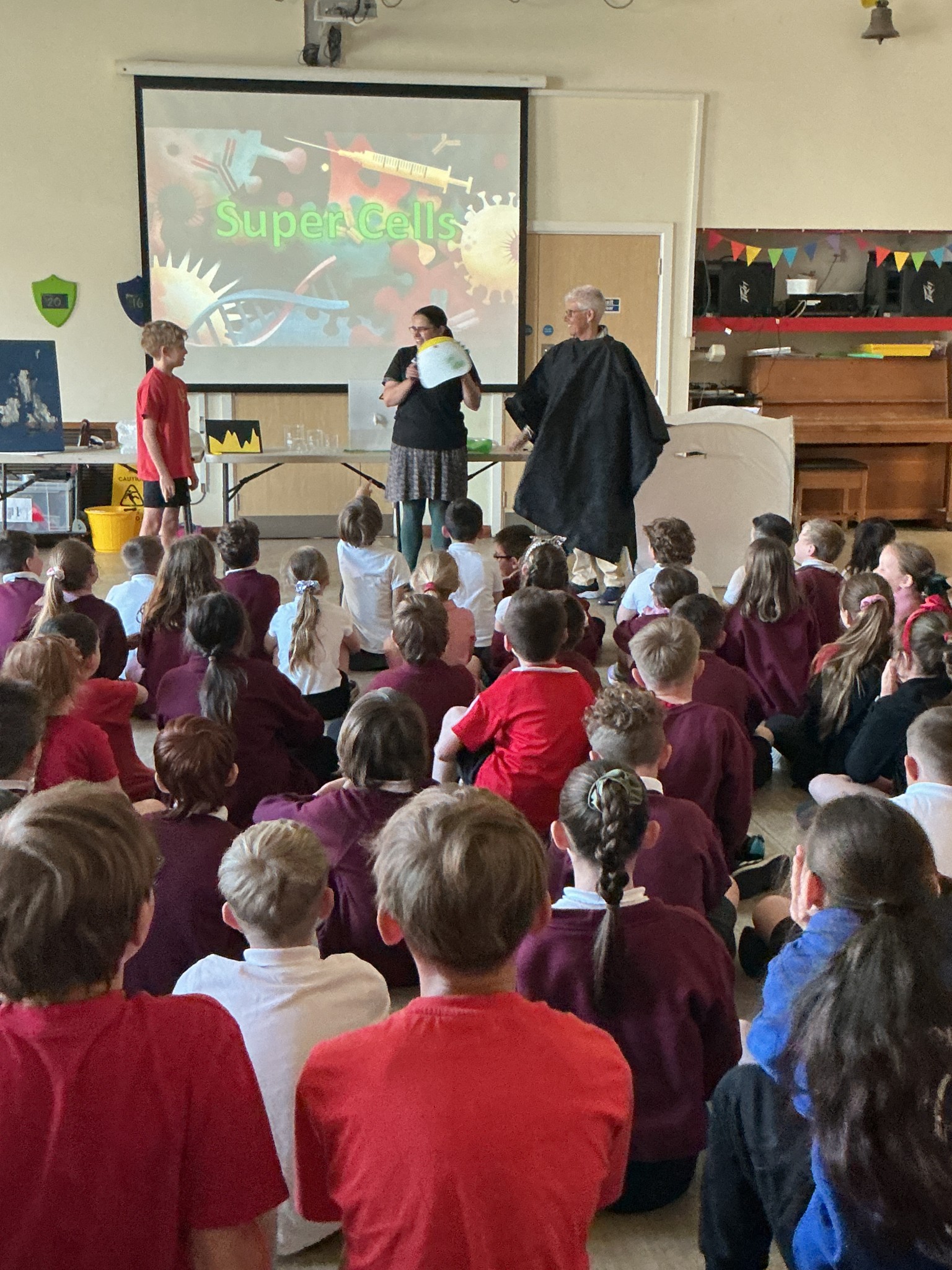
RI Visit 2026
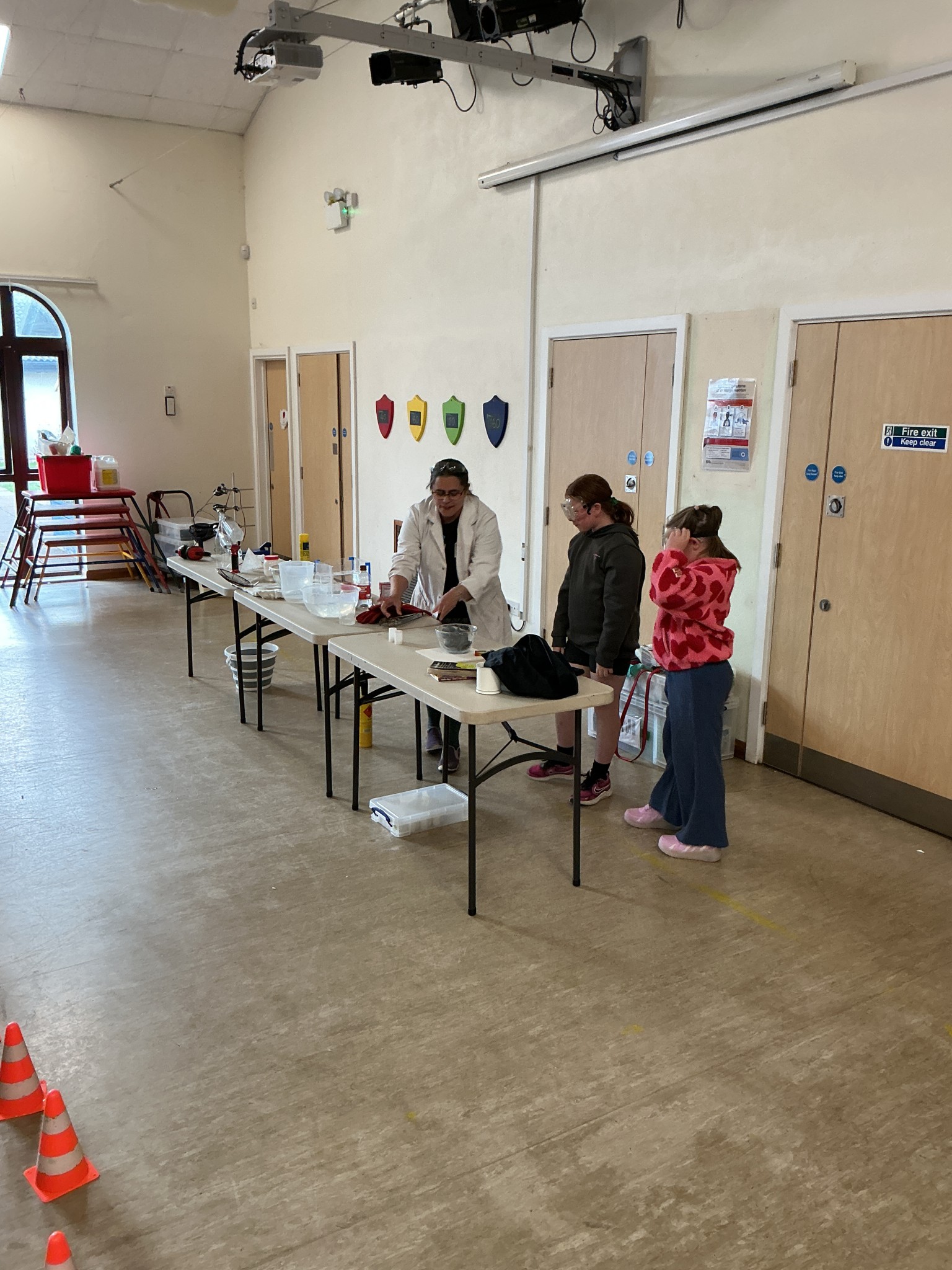
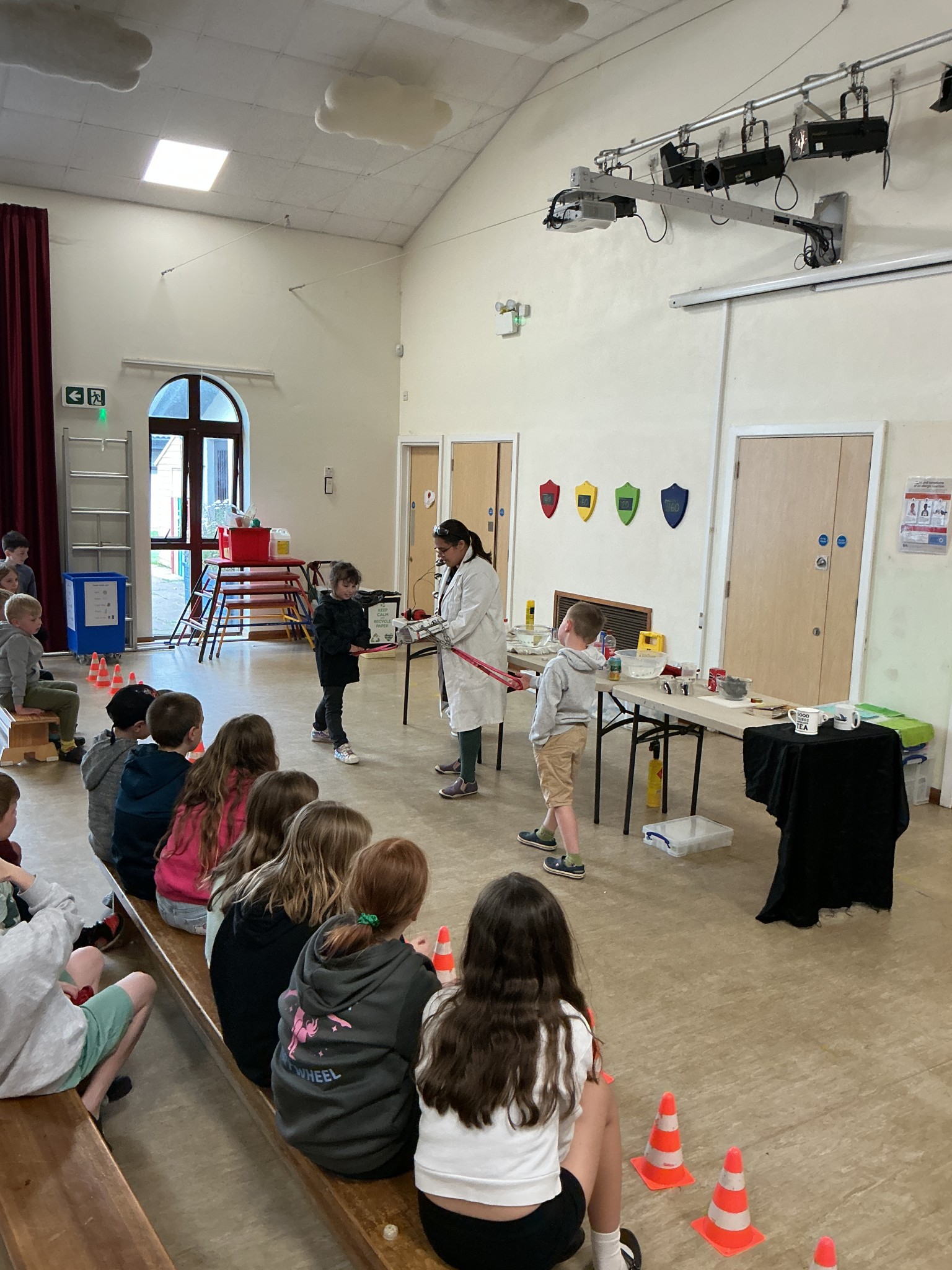
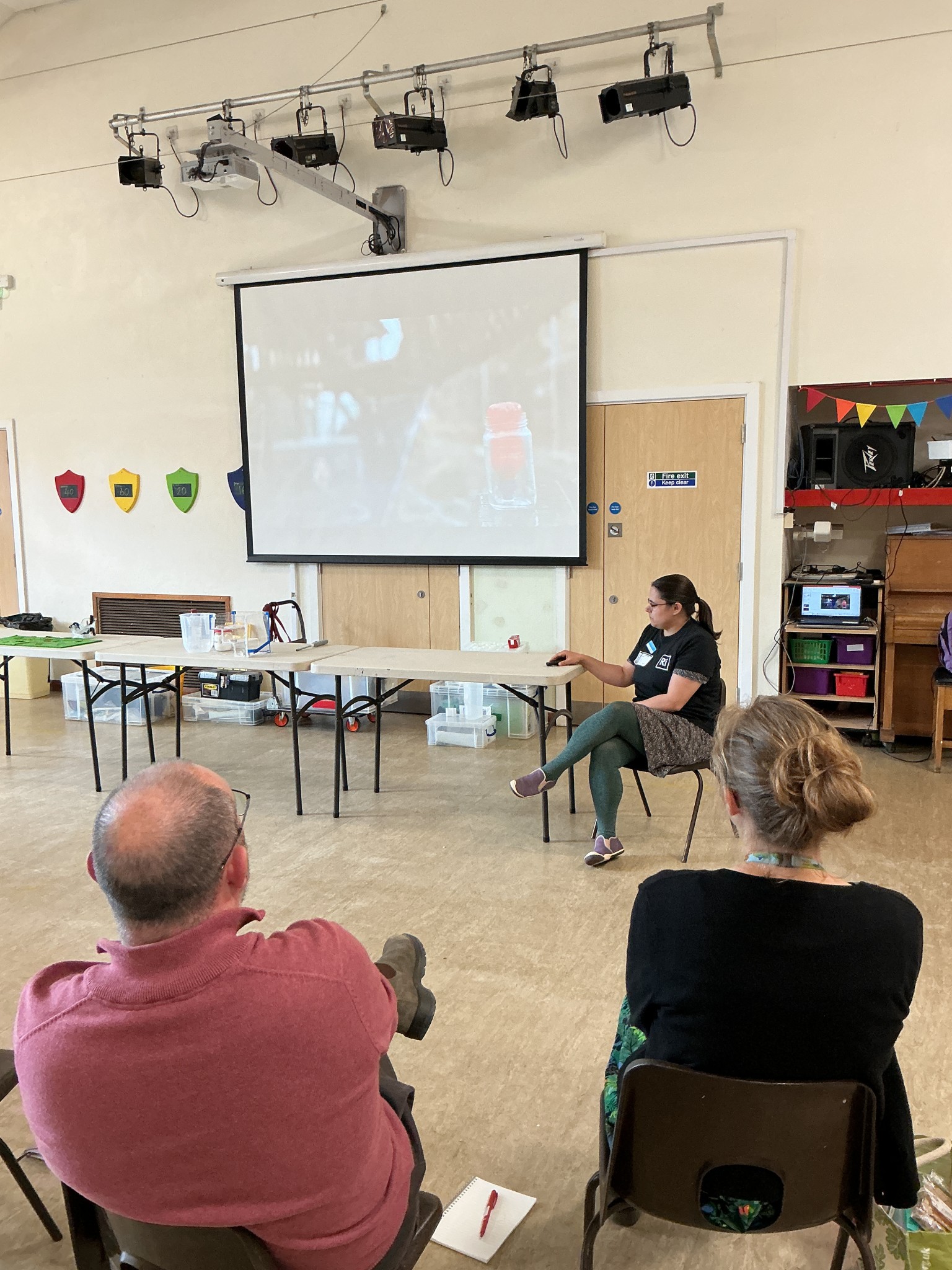
British Science Week
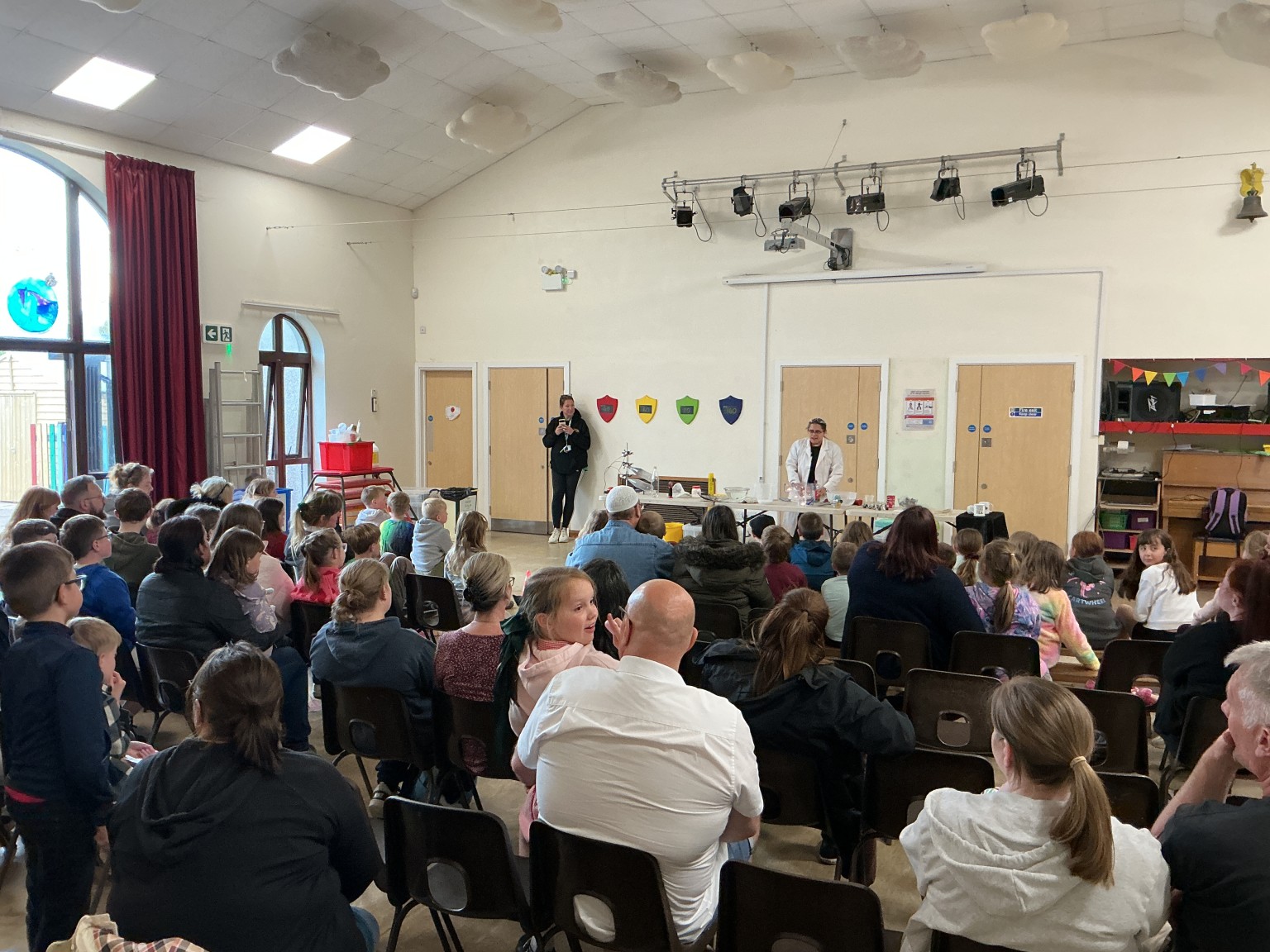
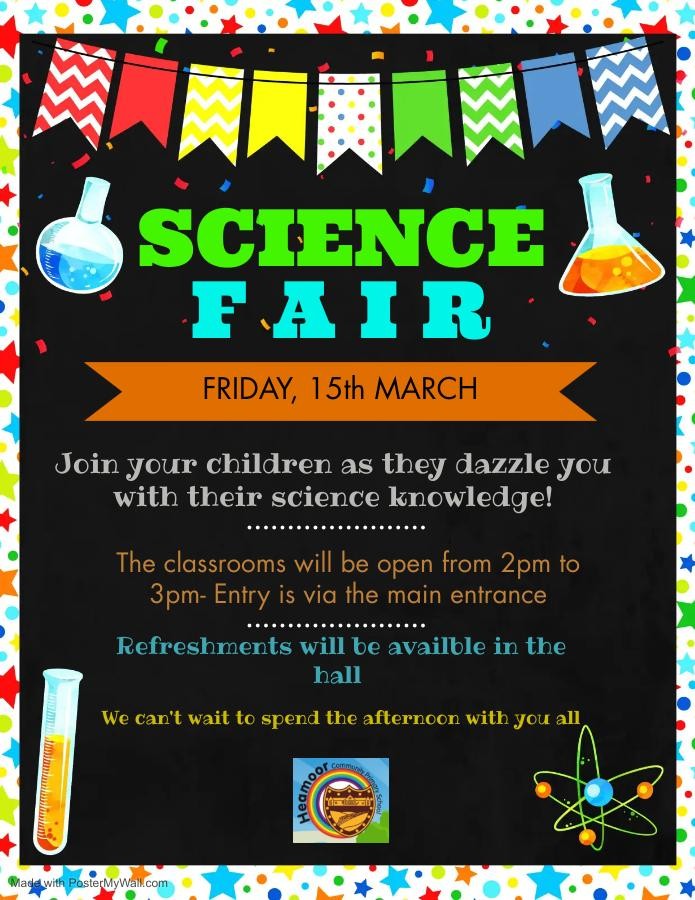
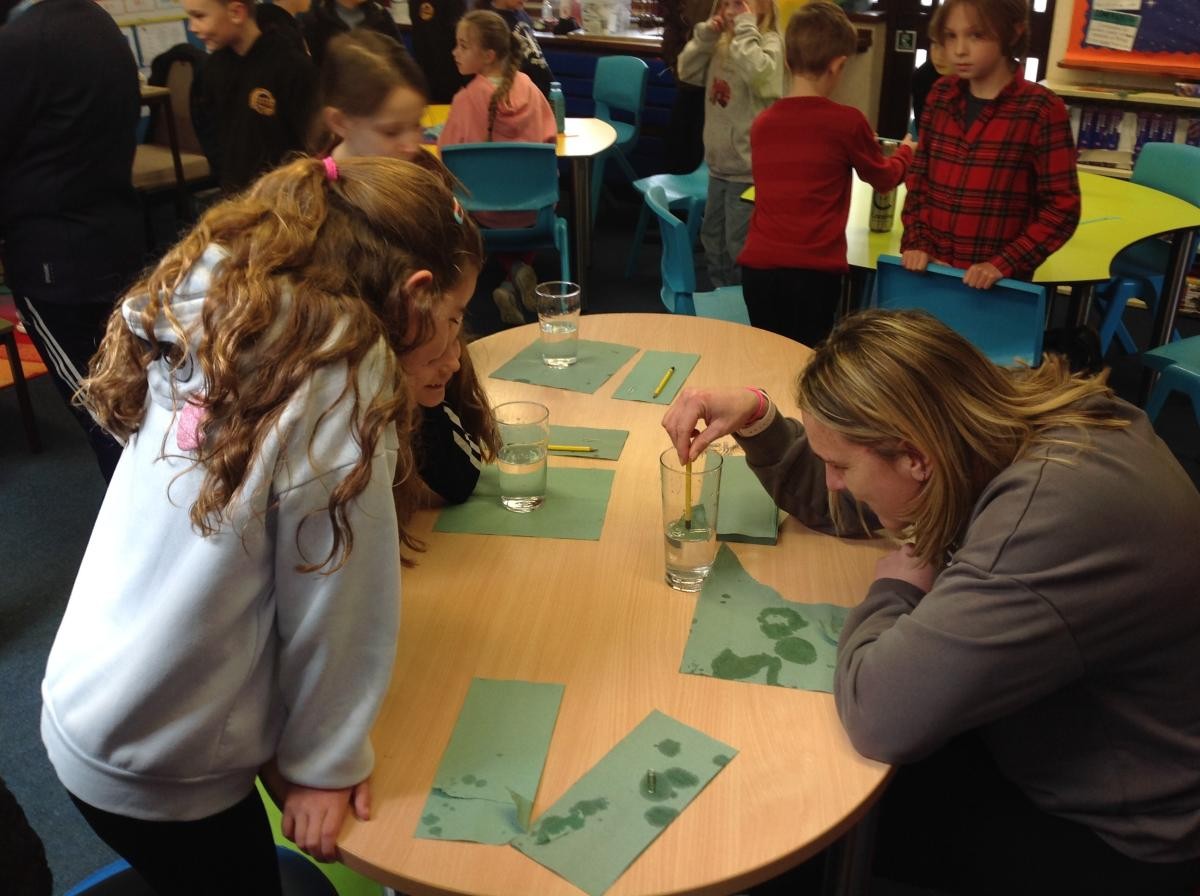
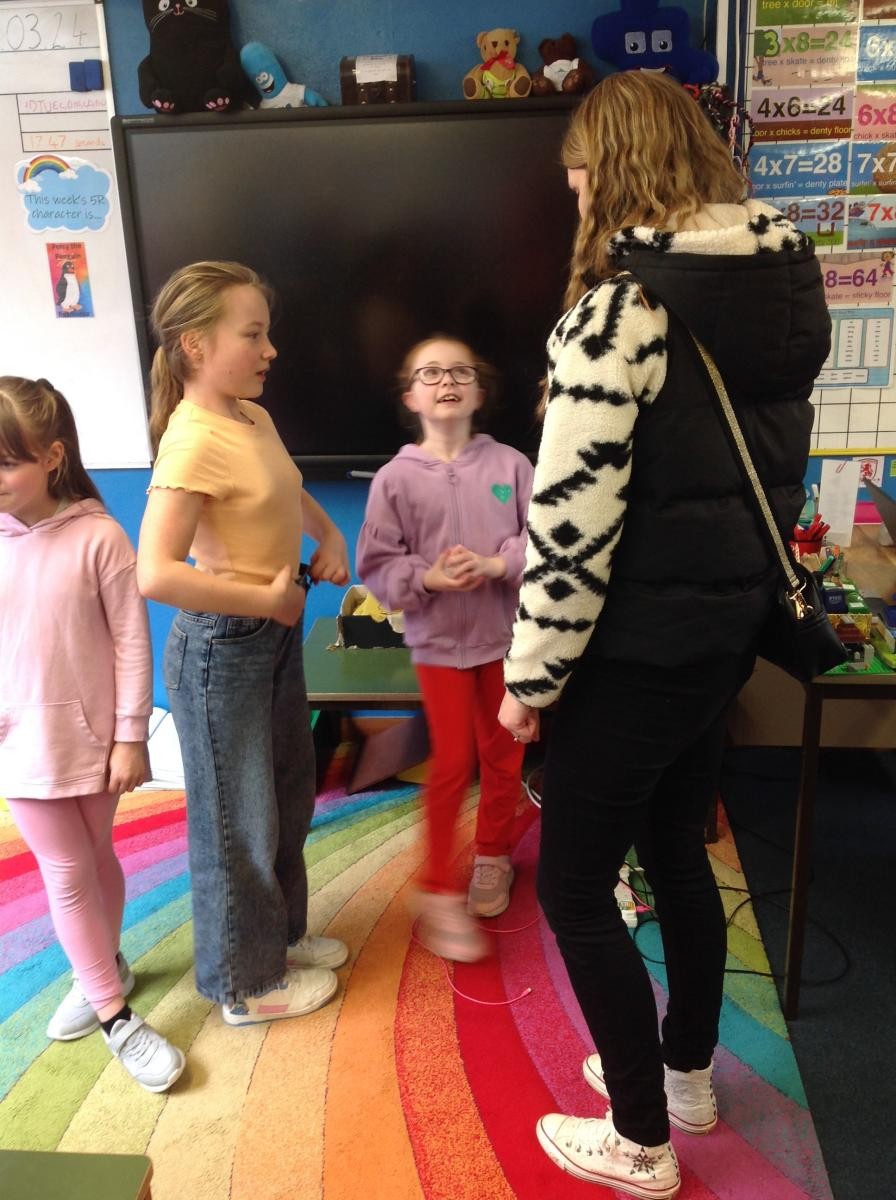
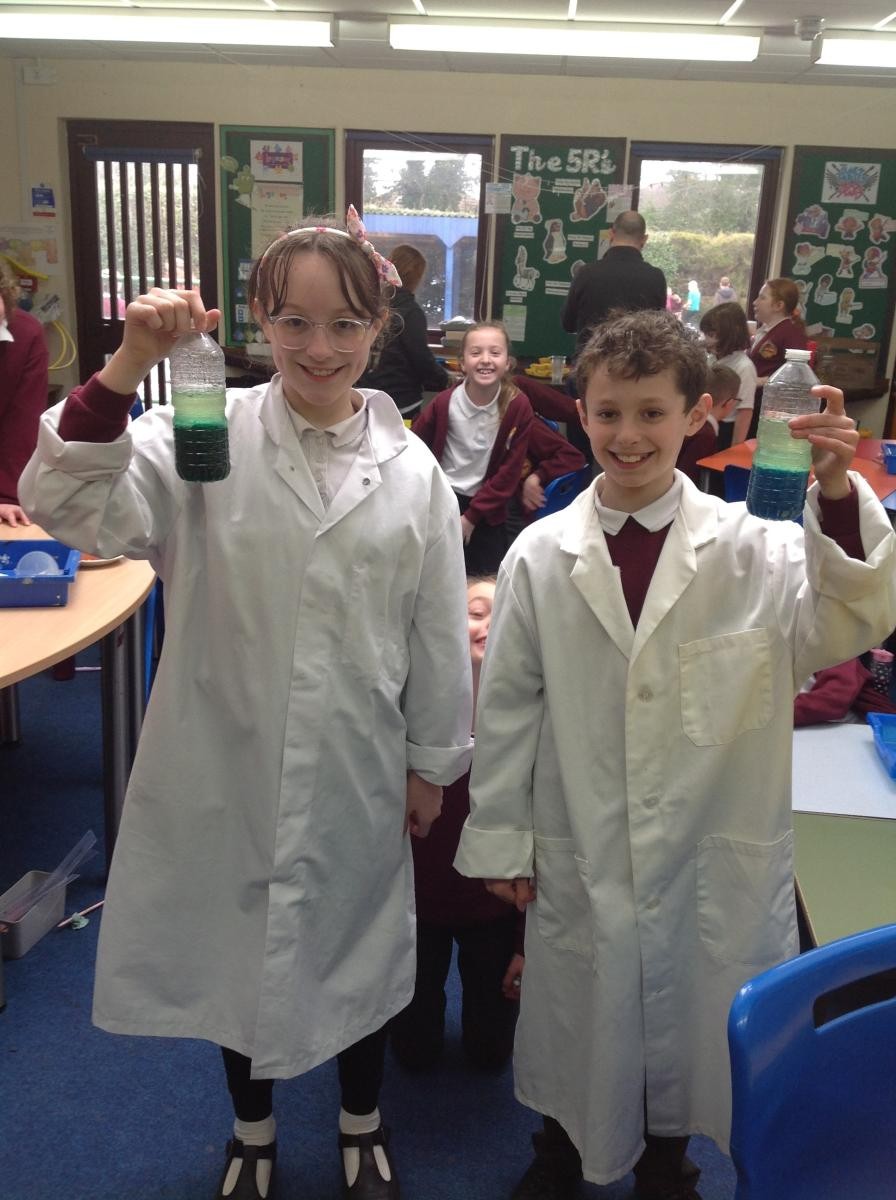
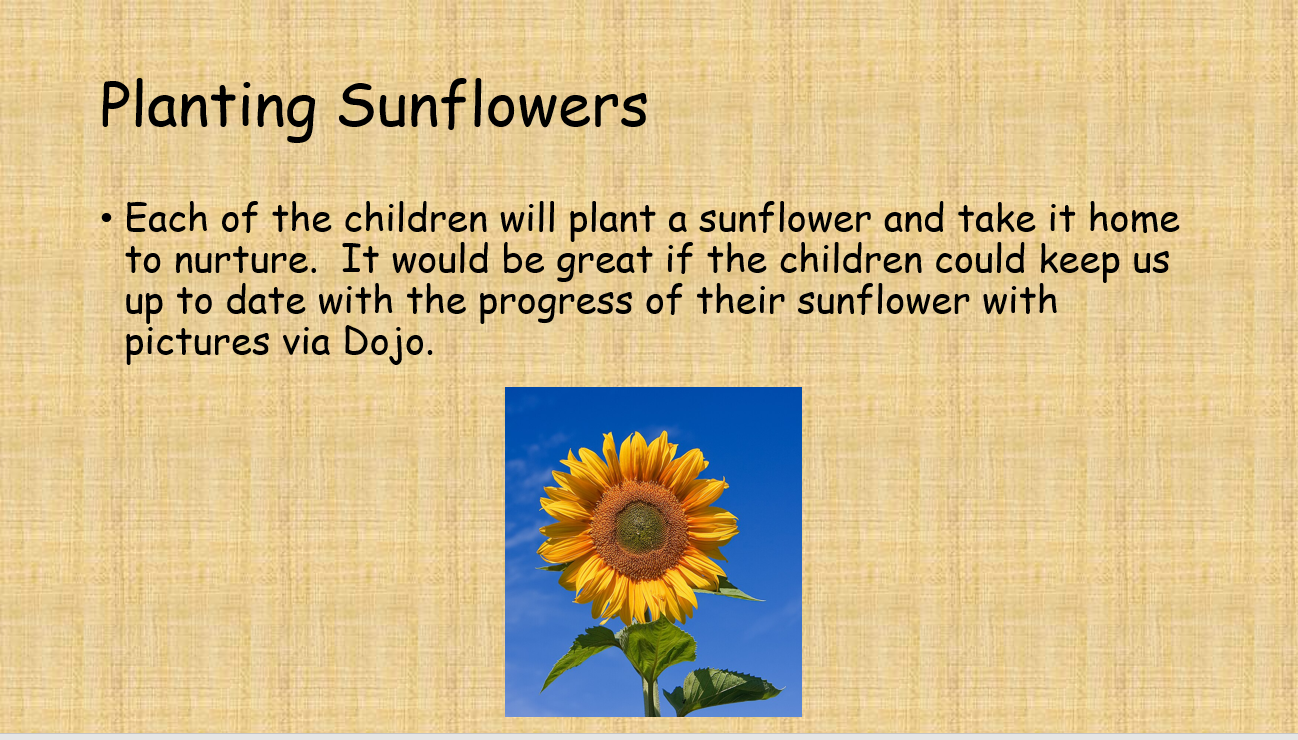
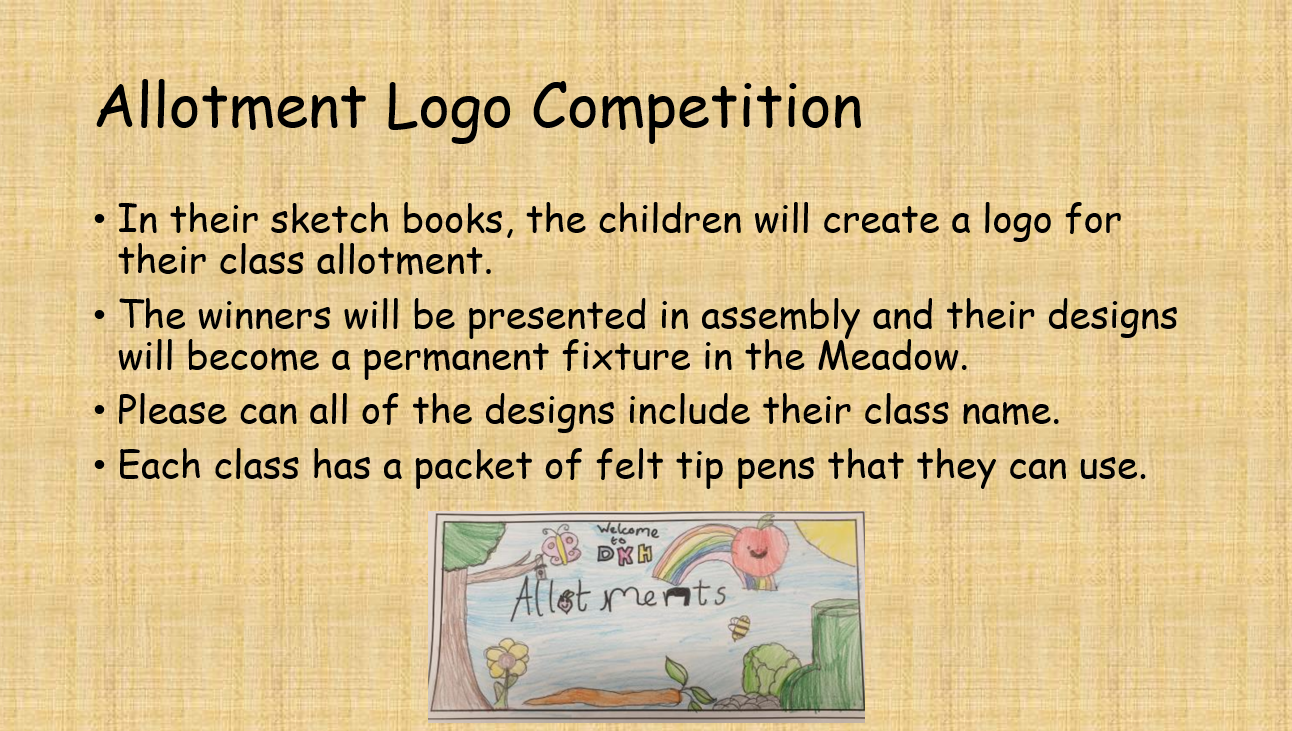
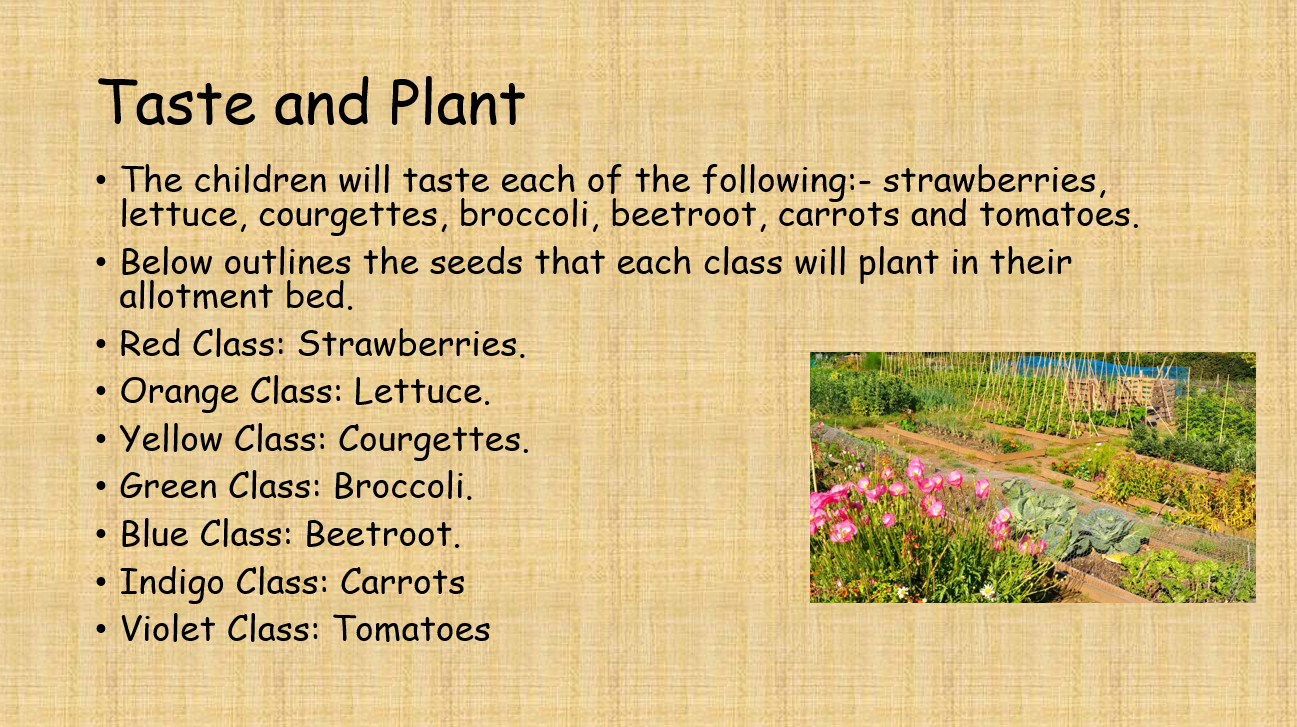
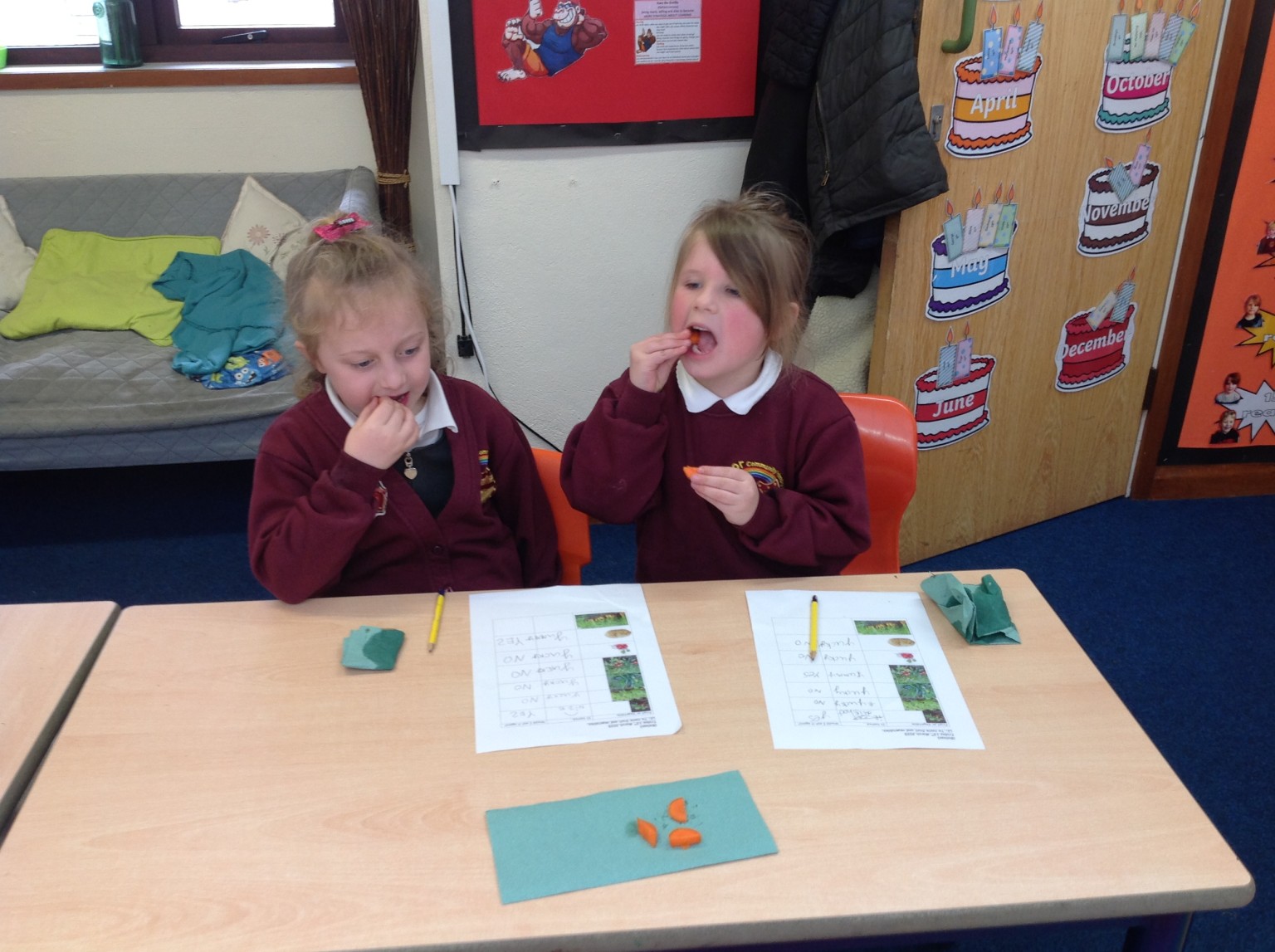
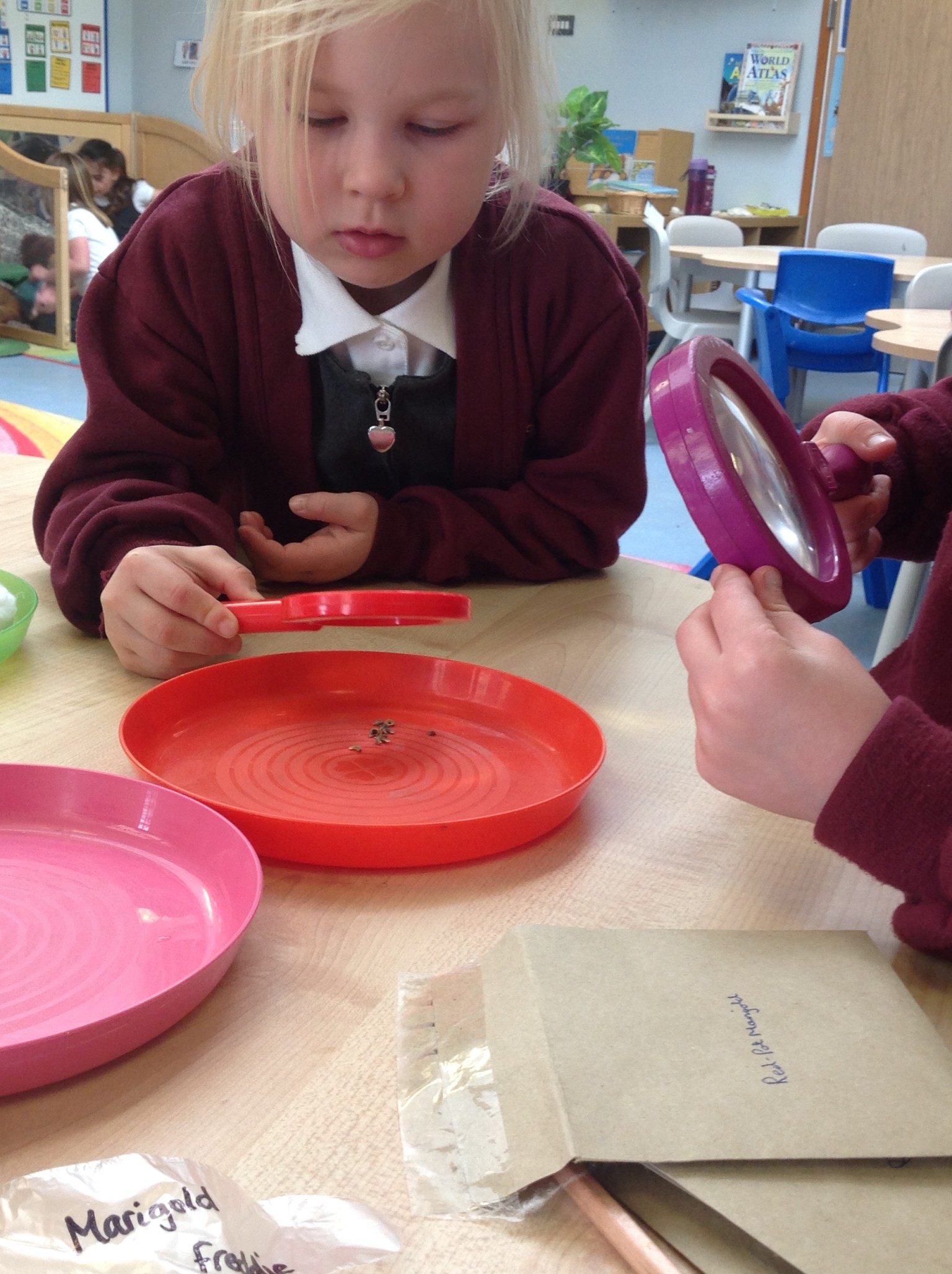
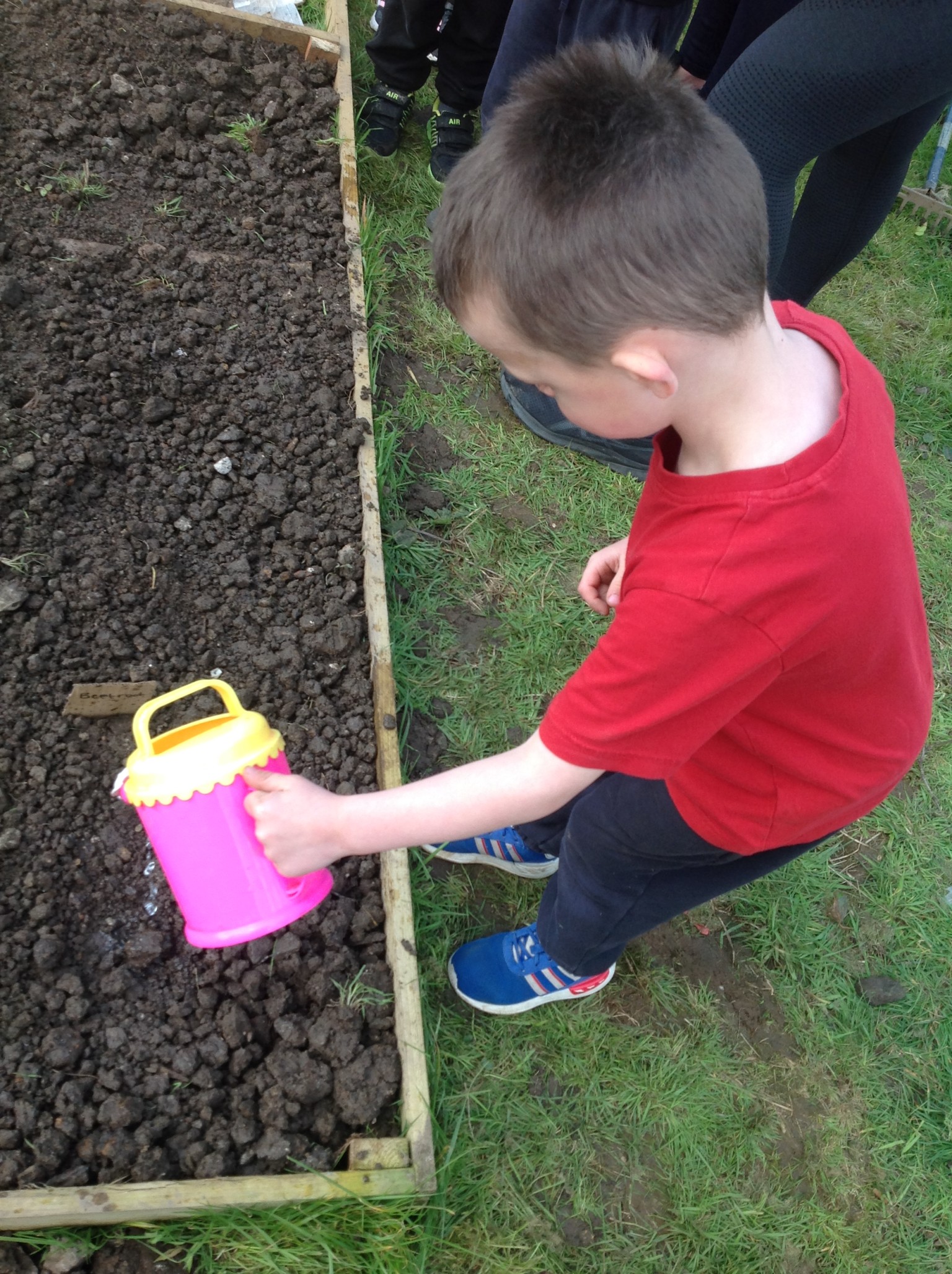
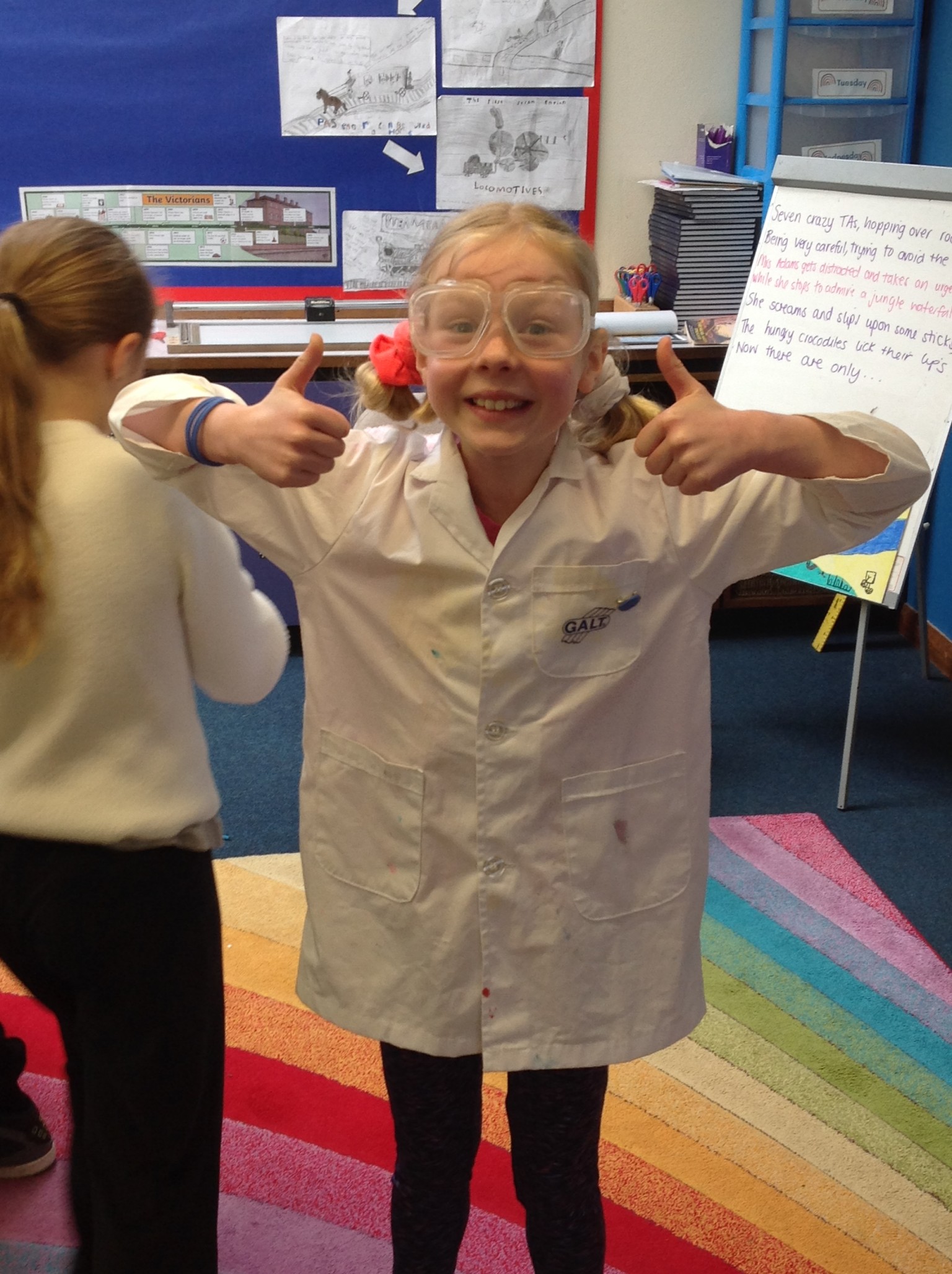
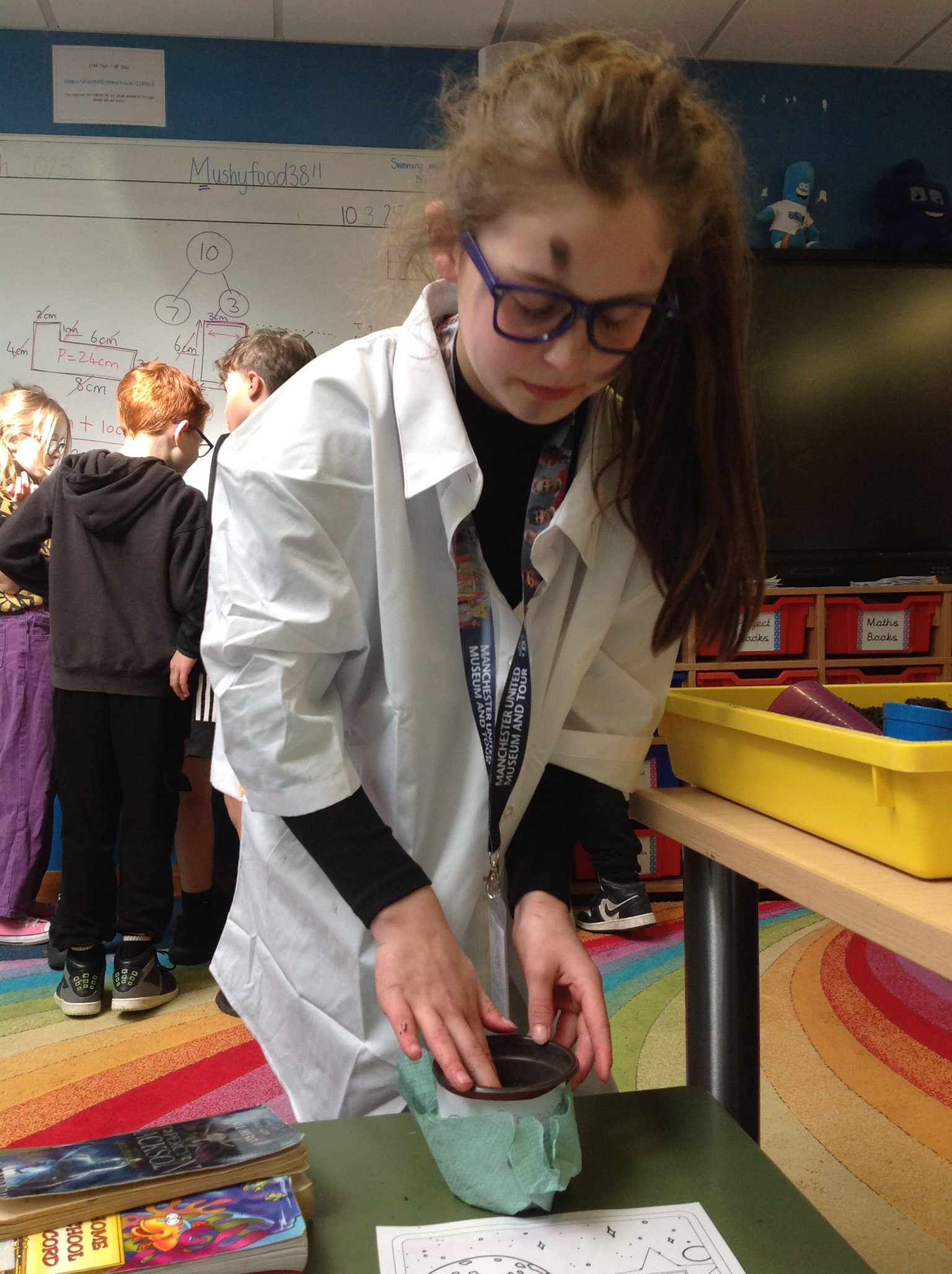
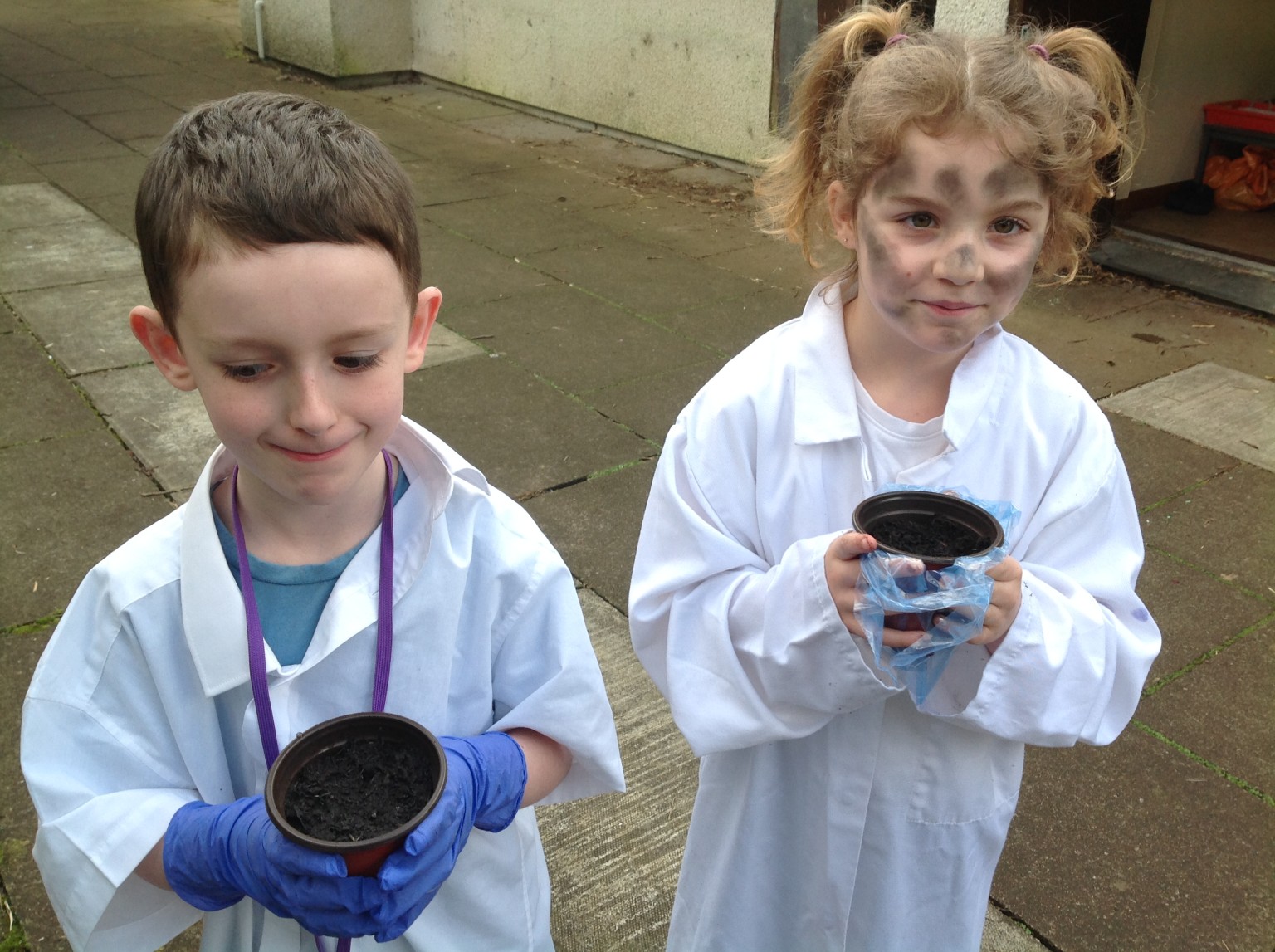
At Heamoor School, we have celebrated British Science Week in a variety of different ways. Over the last three years, we have put our super scientists in charge who used all their skills and knowledge to dazzle, and astound, the adults in our community. Throughout the week, we developed our science capital as we got 'hands on' with a variety of exciting and interesting experiments. We learnt all about the science that underpins the activities. We then used this knowledge to host the adults and for our Science Fair. It was such a privilege to see all our learners from EYFS to Year 6 enthusiastically, and expertly, allowing their adults to discover the wonders of science. We have also been very busy setting up our own school allotment beds. Last year, we focused on ‘growing and sowing’ which involved all our children developing their understanding of plants and how to grow their own vegetables. This was a really exciting week and the children particularly enjoyed tasting the fruit and vegetables that they were going to grow!
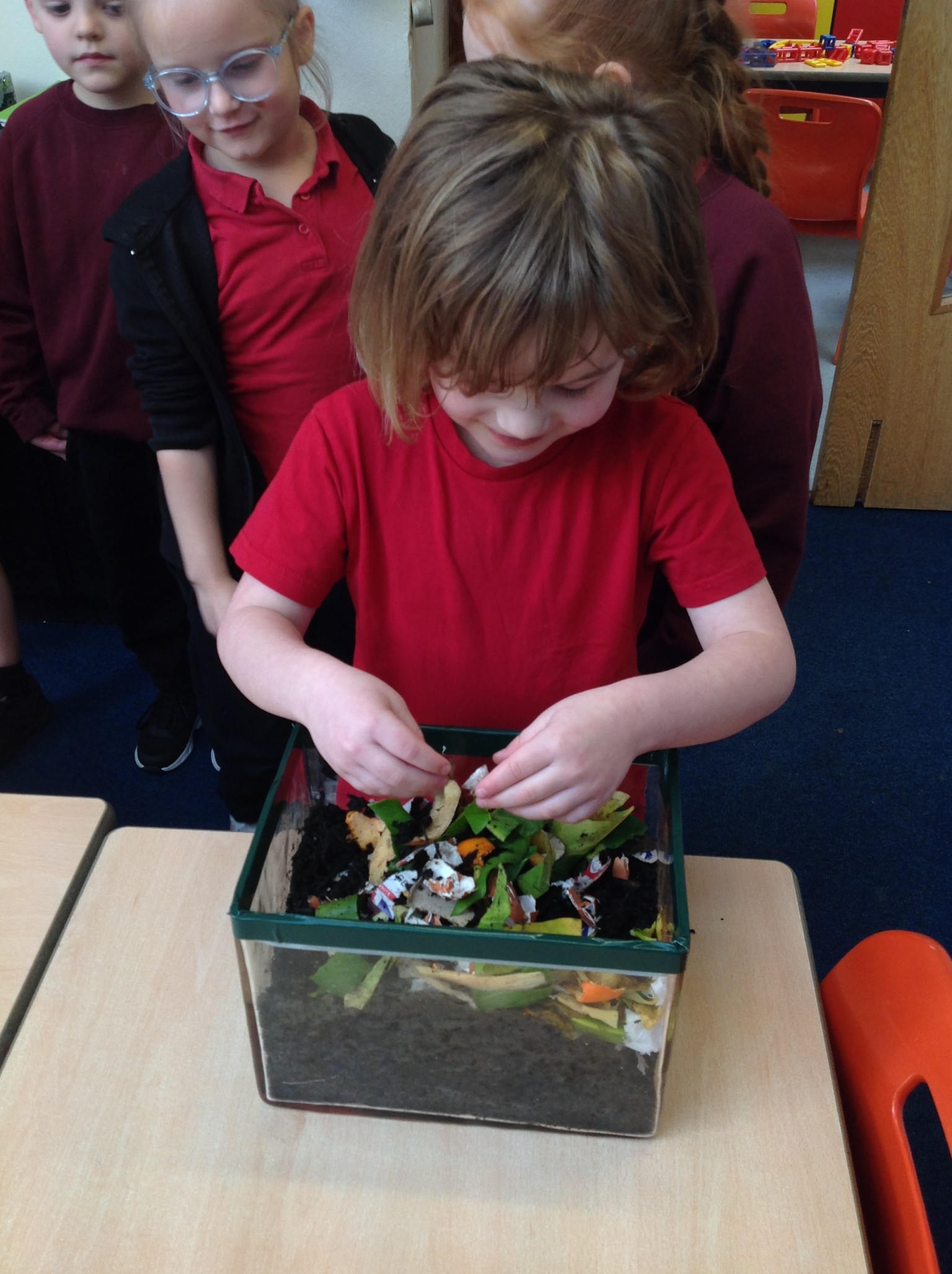
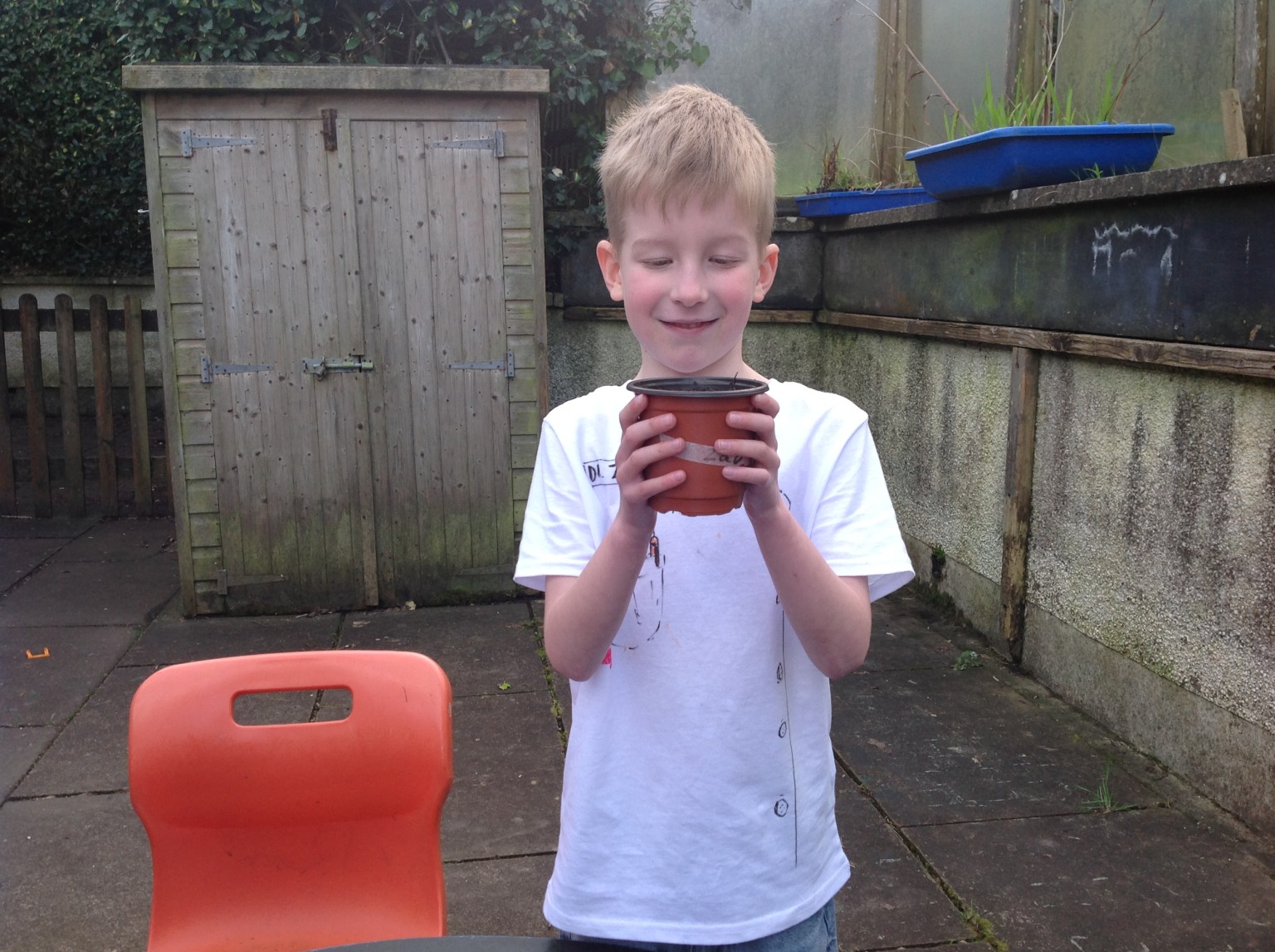
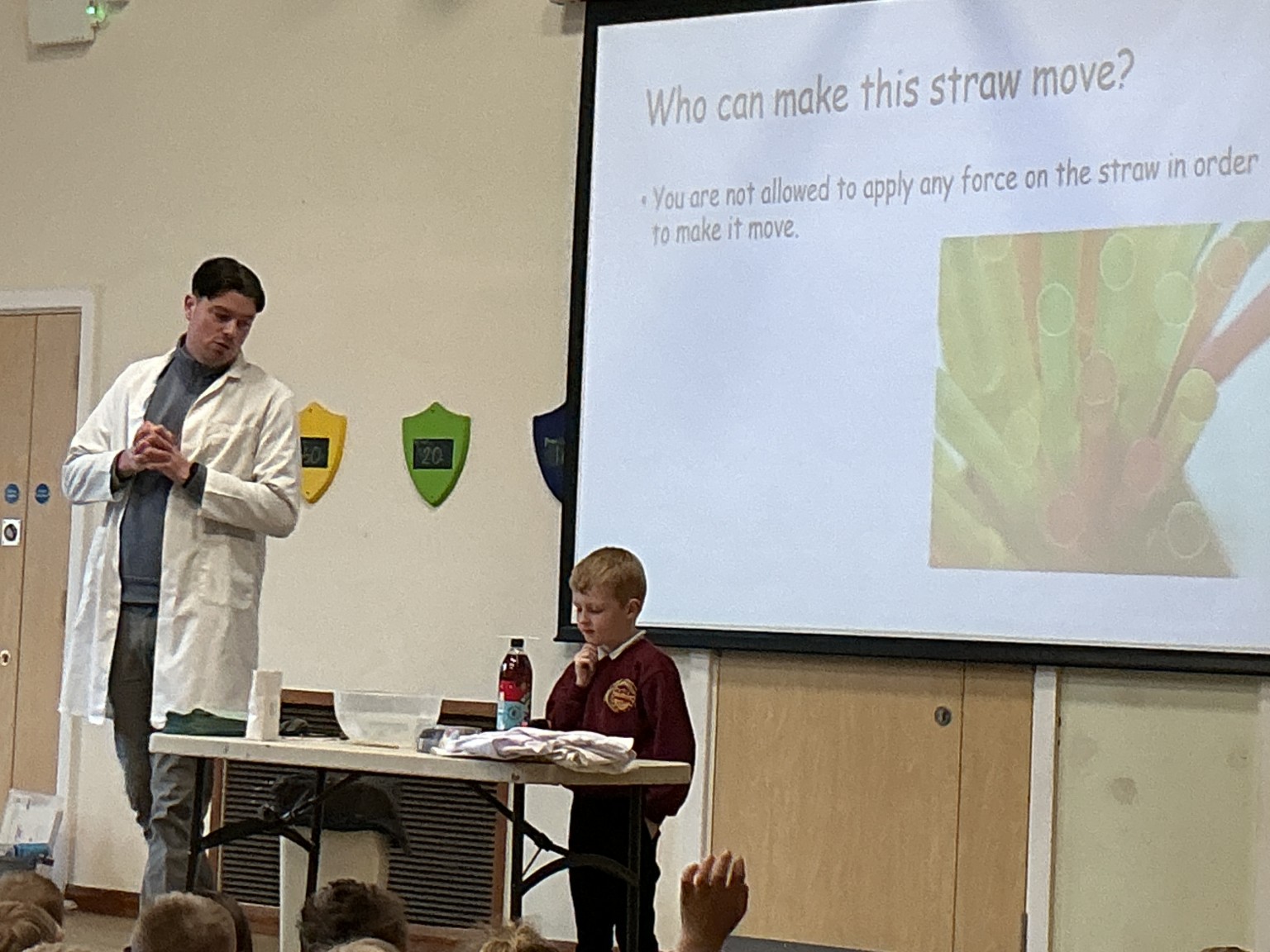
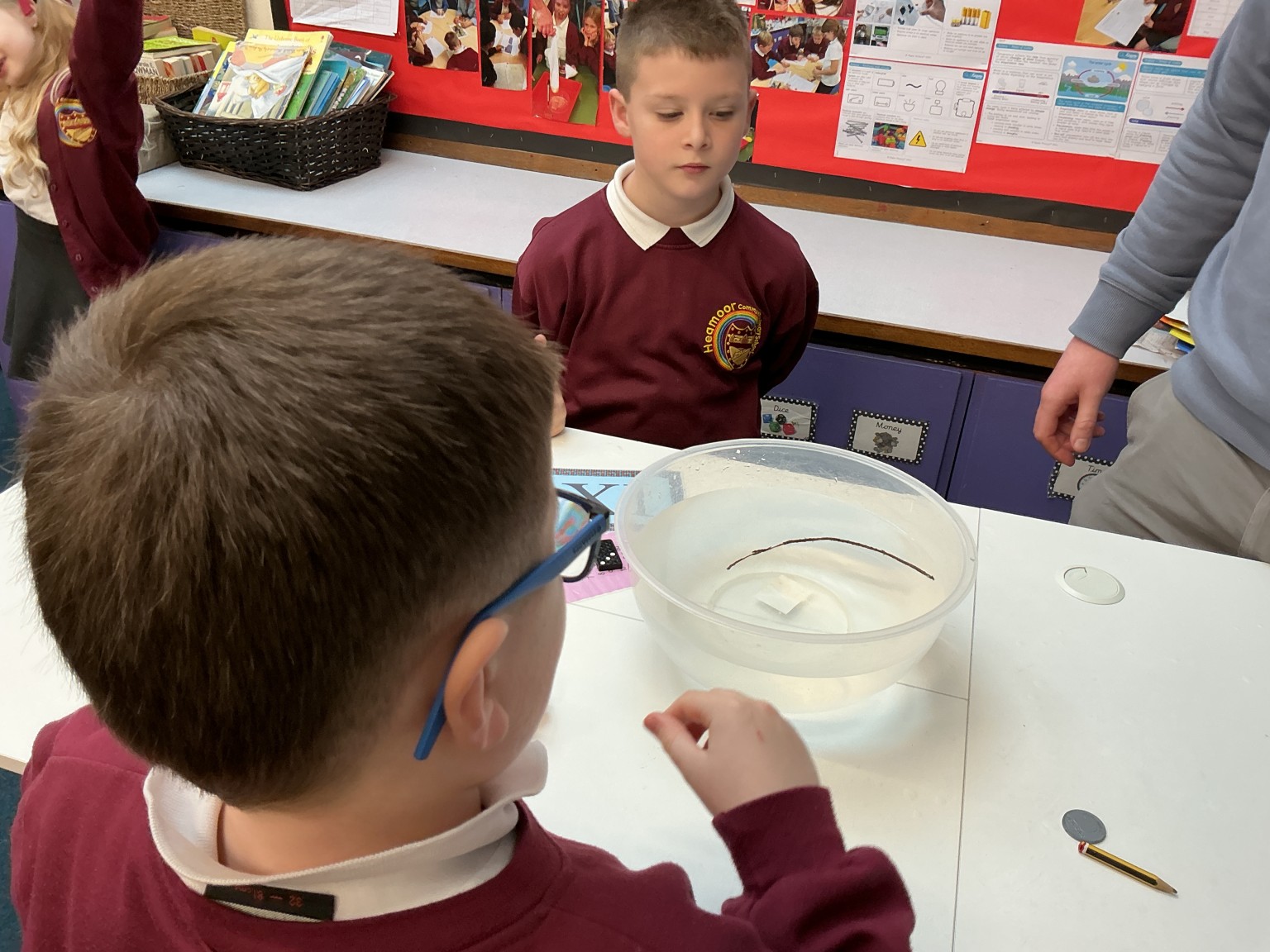
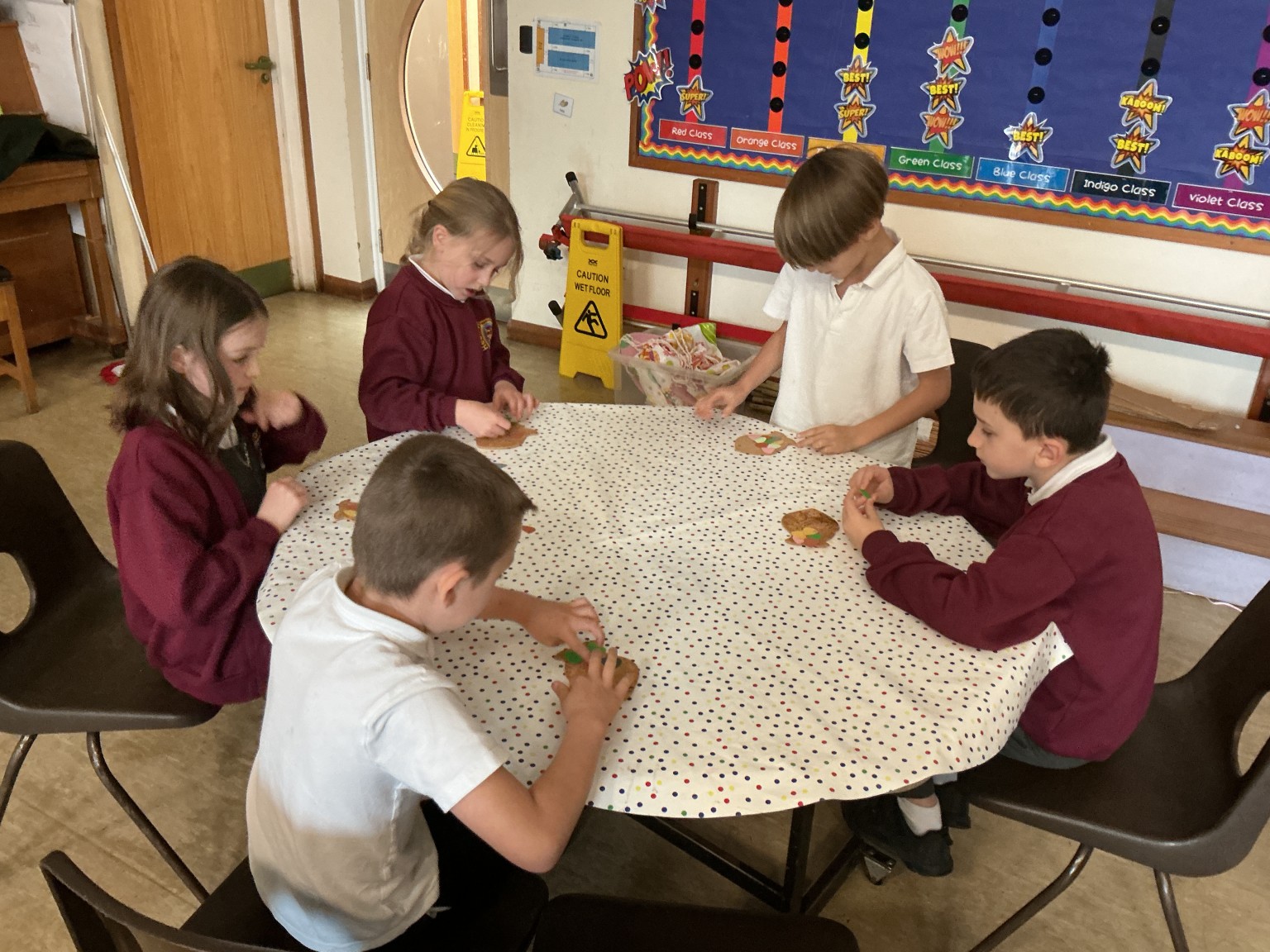
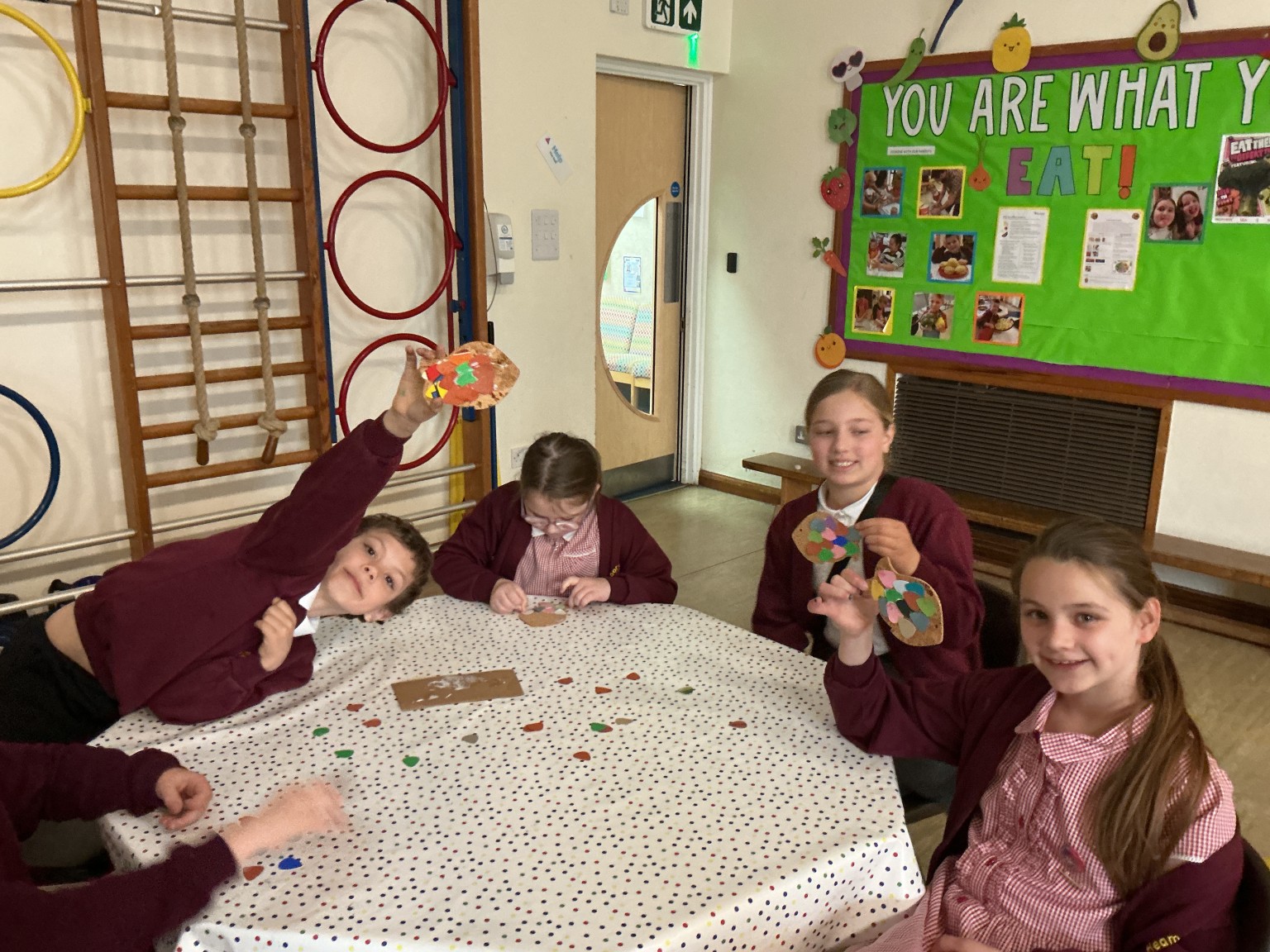
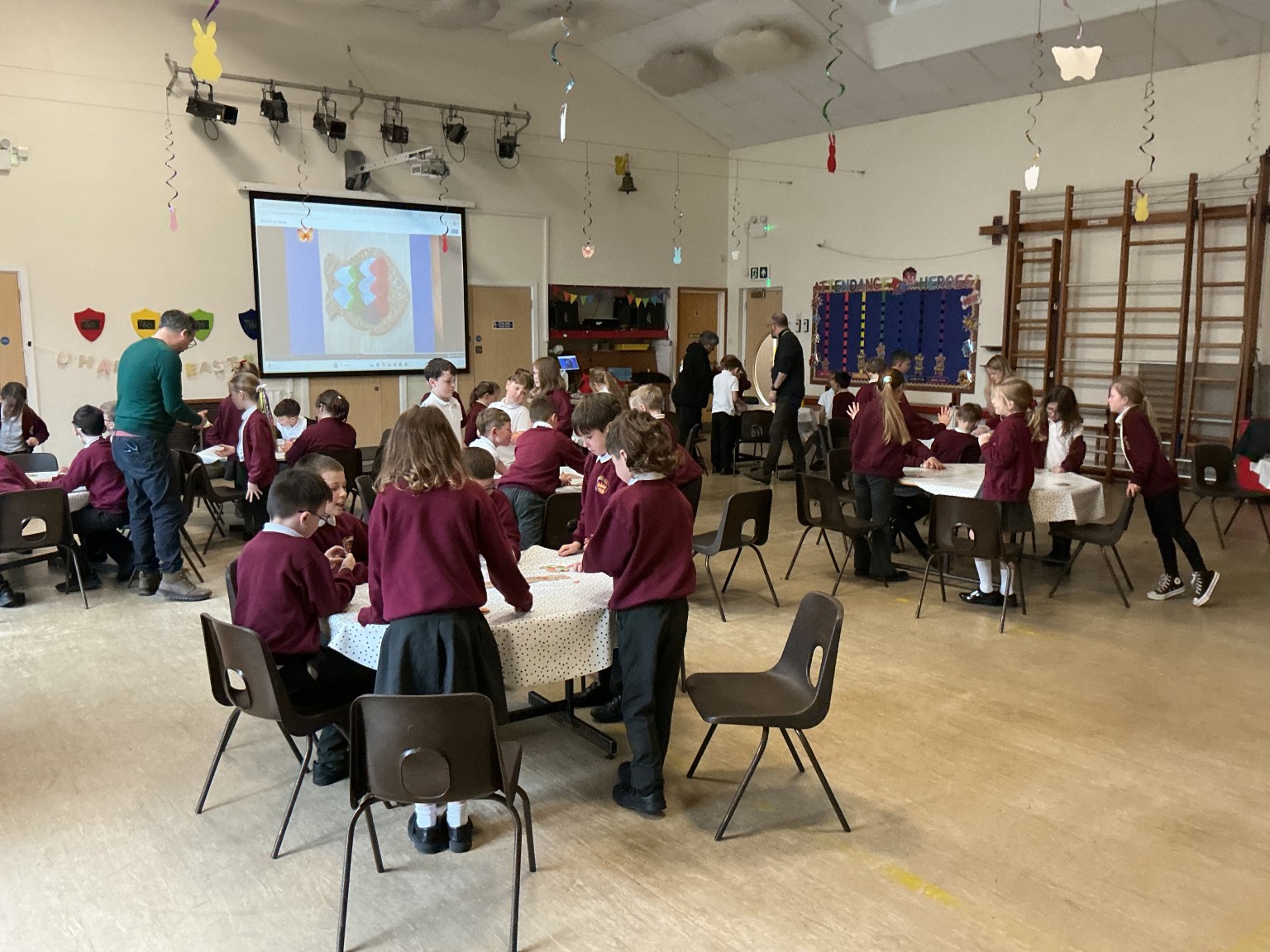
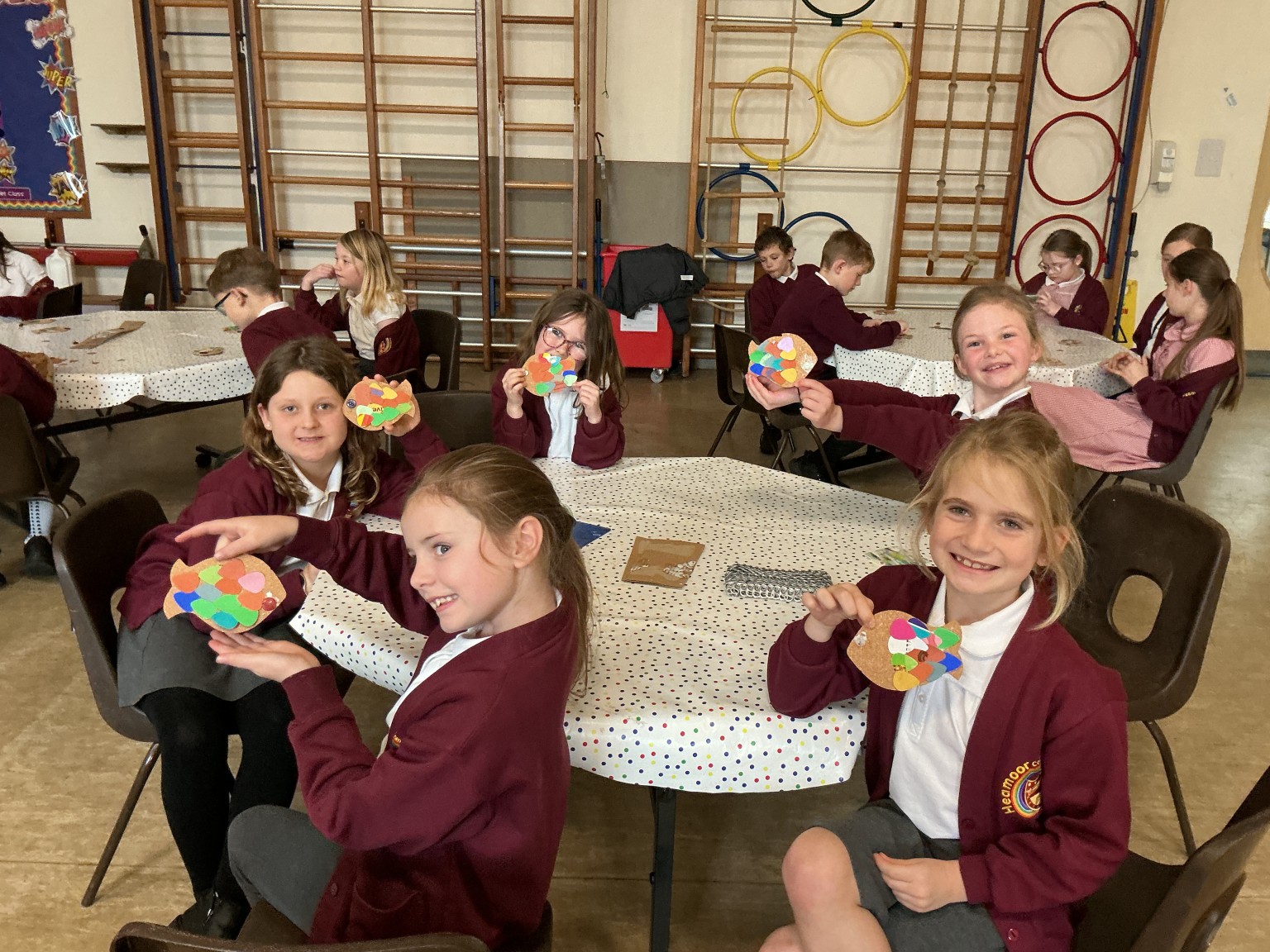
More recently, we celebrated British Science Week by embracing the exciting theme of Curiosity. All of our classes explored the fascinating concept of sinking and floating, asking thoughtful questions and making predictions as they investigated which objects would stay afloat and which would sink. The children showed great enthusiasm as they tested their ideas and shared their discoveries. Each class also had the freedom to carry out additional experiments, including the impressive “impossible egg crush”, which amazed everyone and sparked even more curiosity about the science behind it. All of the children took part in an ‘Eco-Fish Workshop’, which was kindly funded by the PTA. The workshop began with an engaging and interactive presentation, where our children explored the issue of marine litter and learned about the impact of single-use plastics, as well as more sustainable alternatives. Following this, each child had the opportunity to decorate a cork fish using colourful recycled materials to create scales, helping to raise awareness of plastic pollution in our oceans. This creative activity highlighted how small changes can make a big difference, and reinforced the important message that we can all play a part in supporting a healthy and thriving ocean ecosystem.
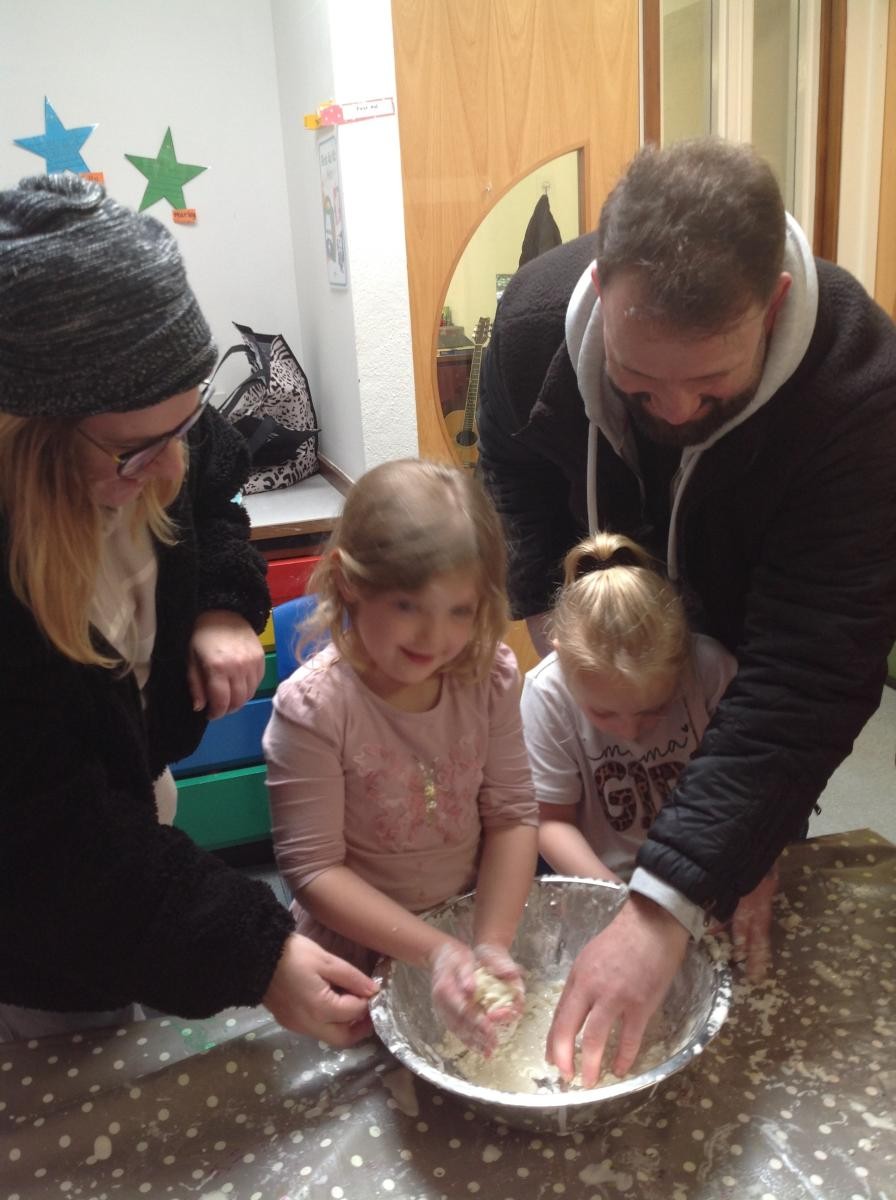
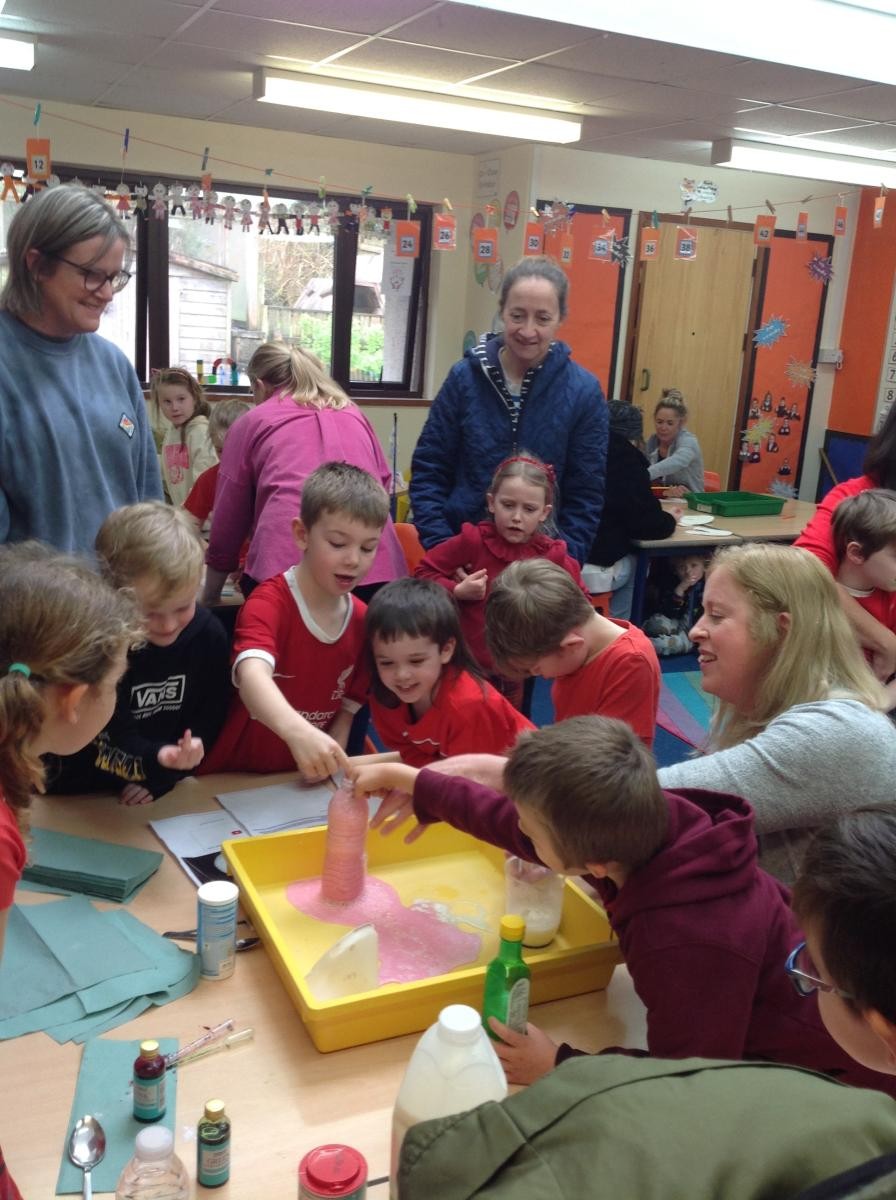
British Science Week 2025
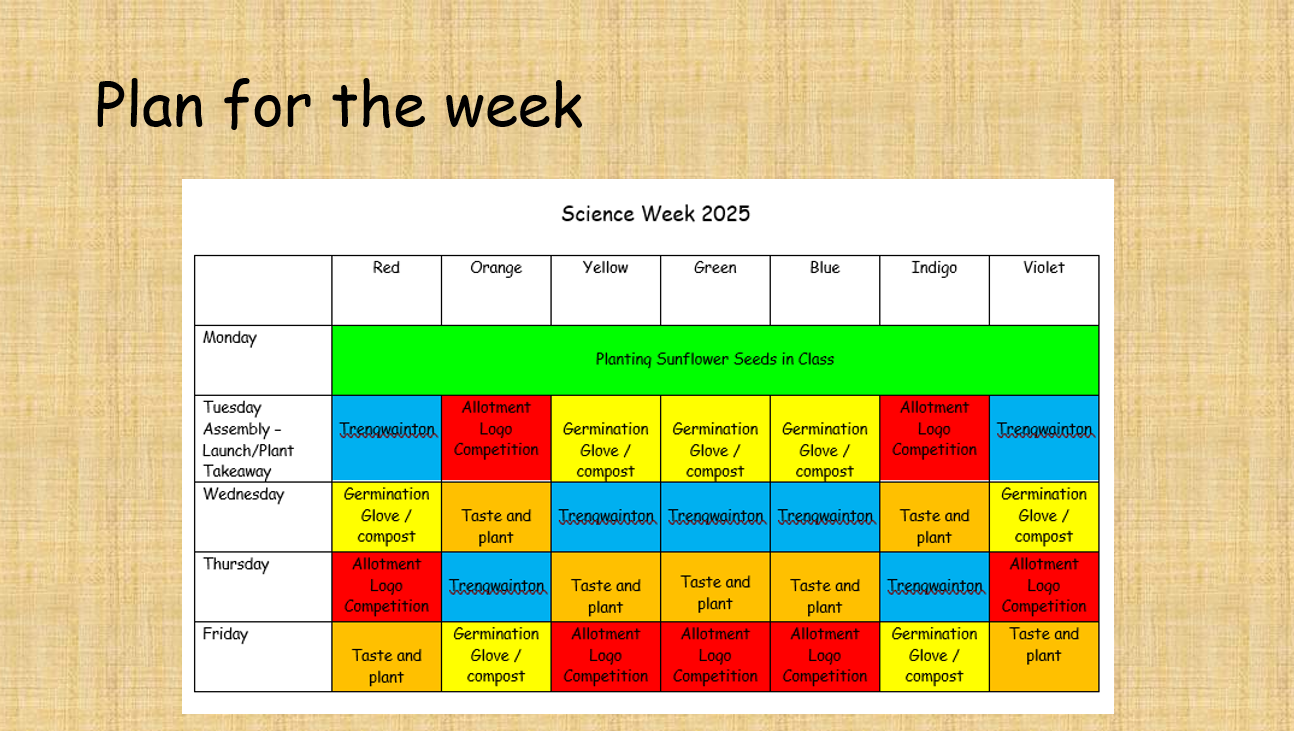
British Science Week 2025 in Action
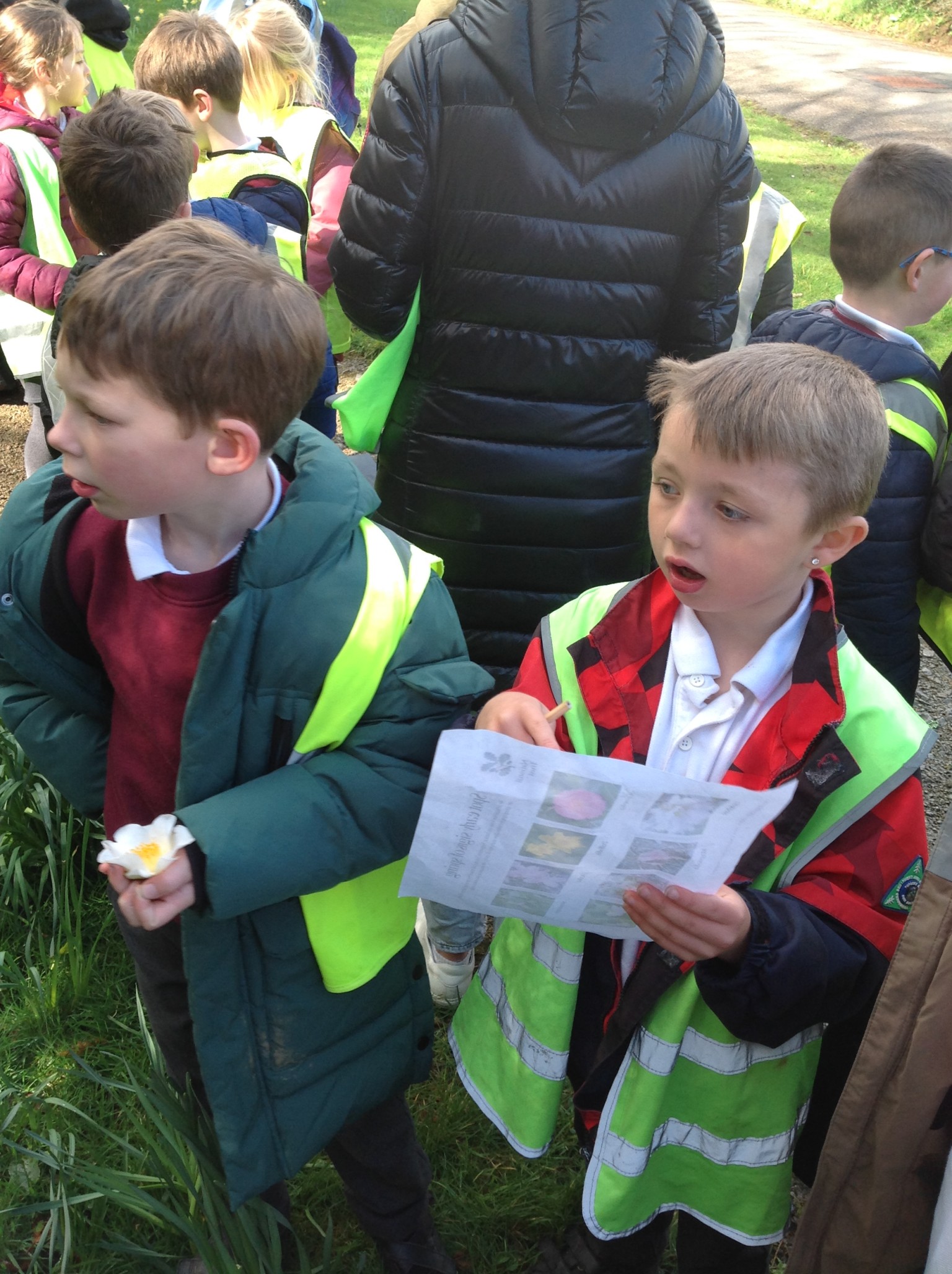
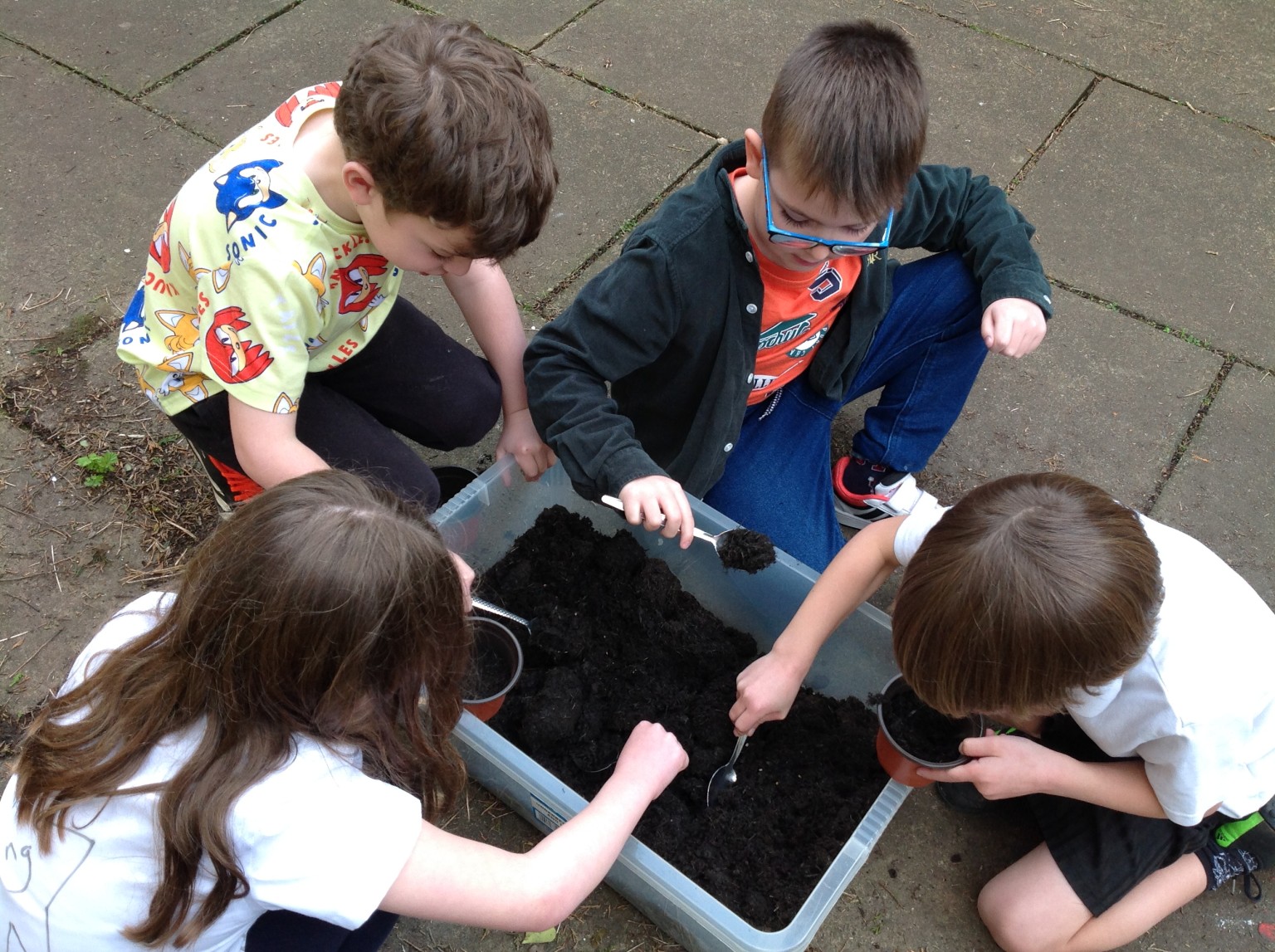
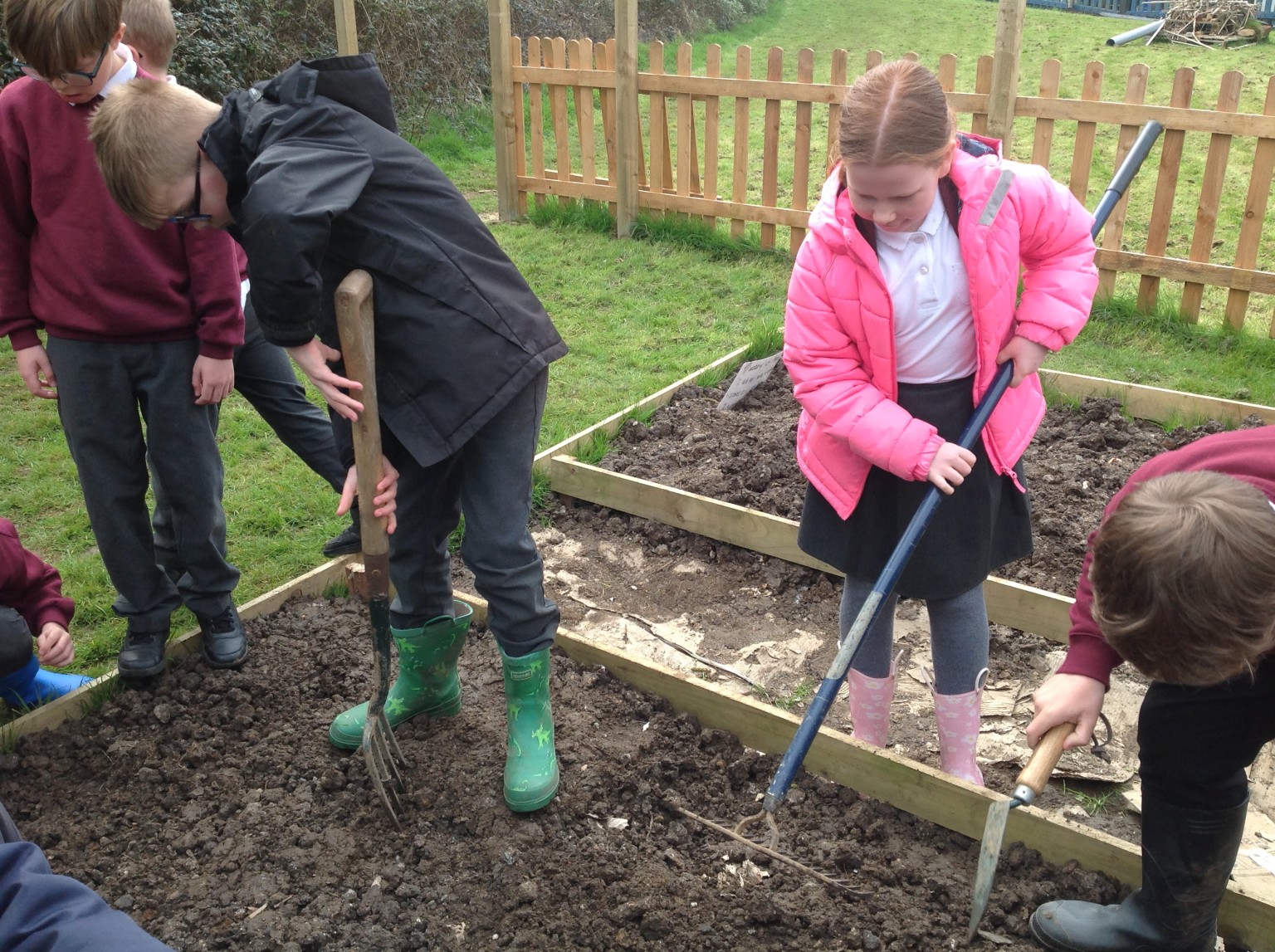
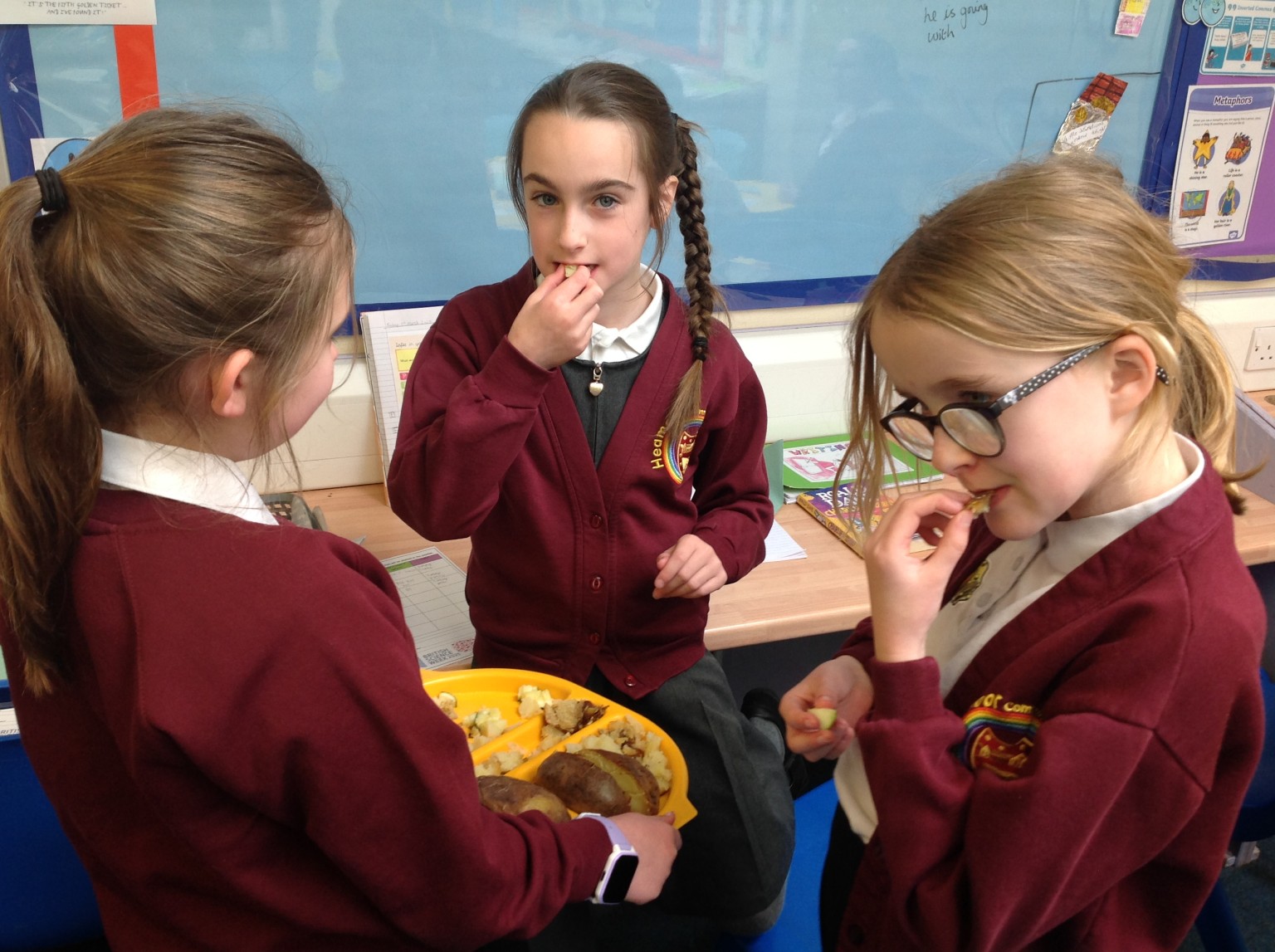
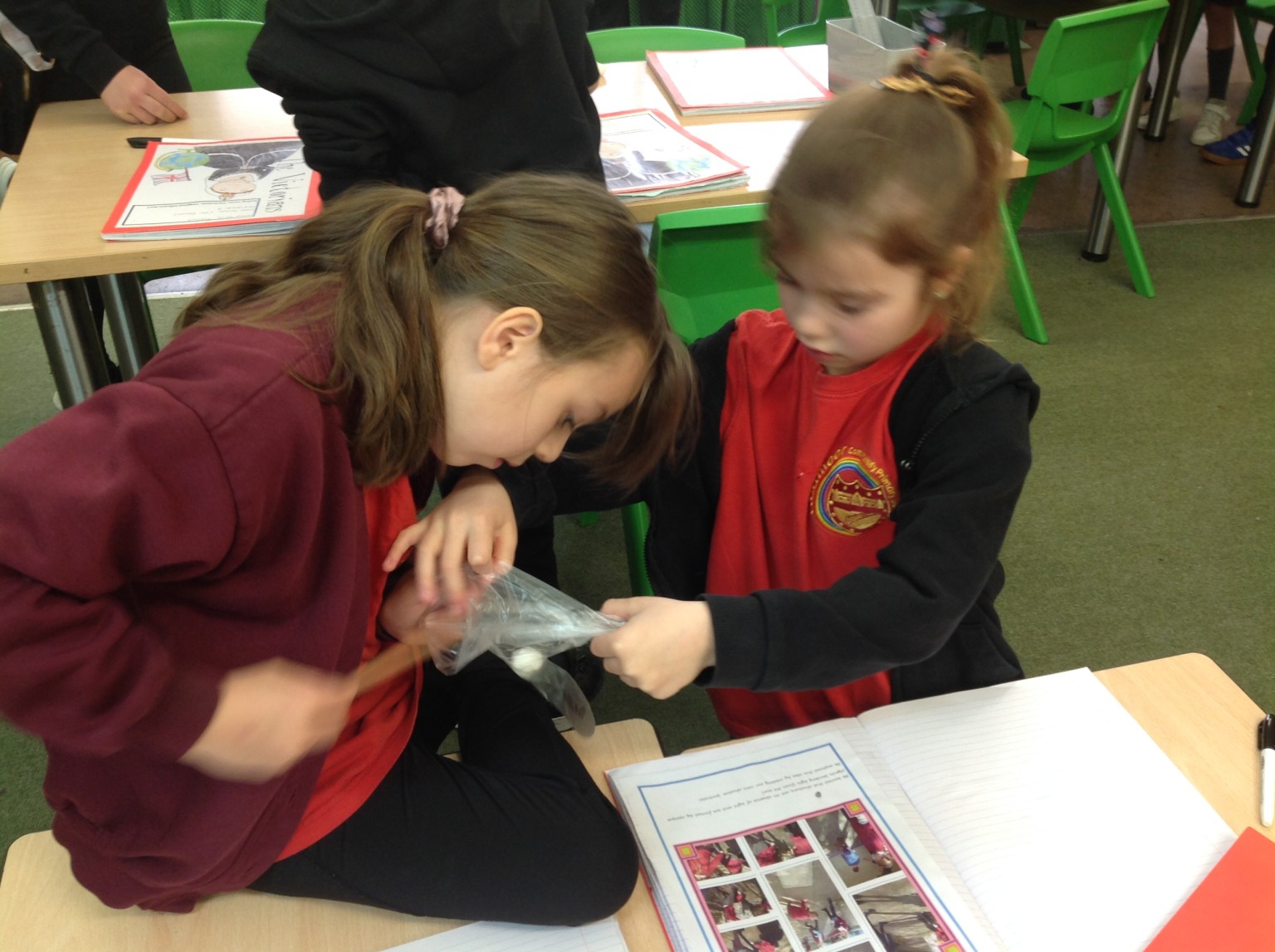
British Science Week 2026 in Action
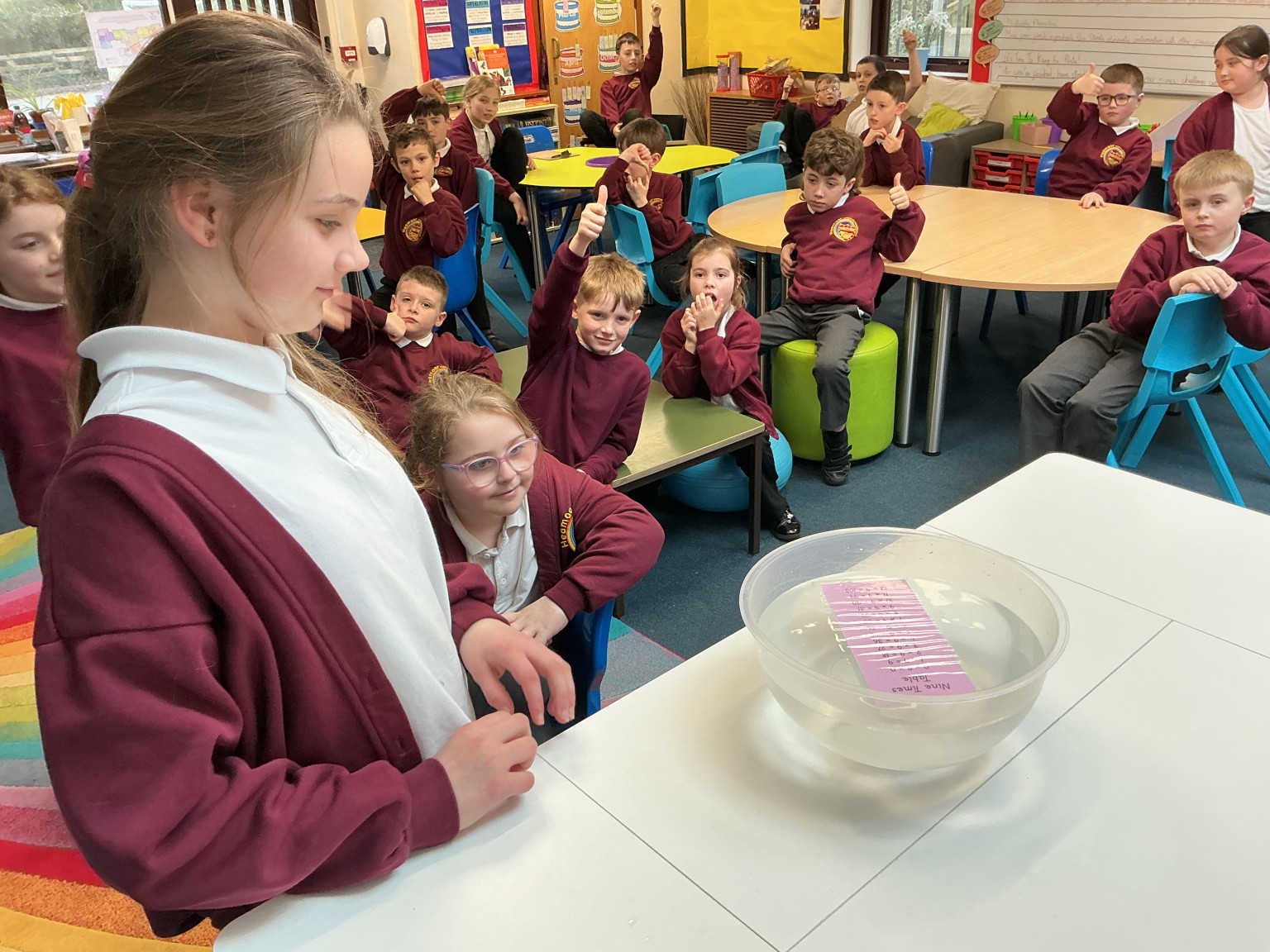
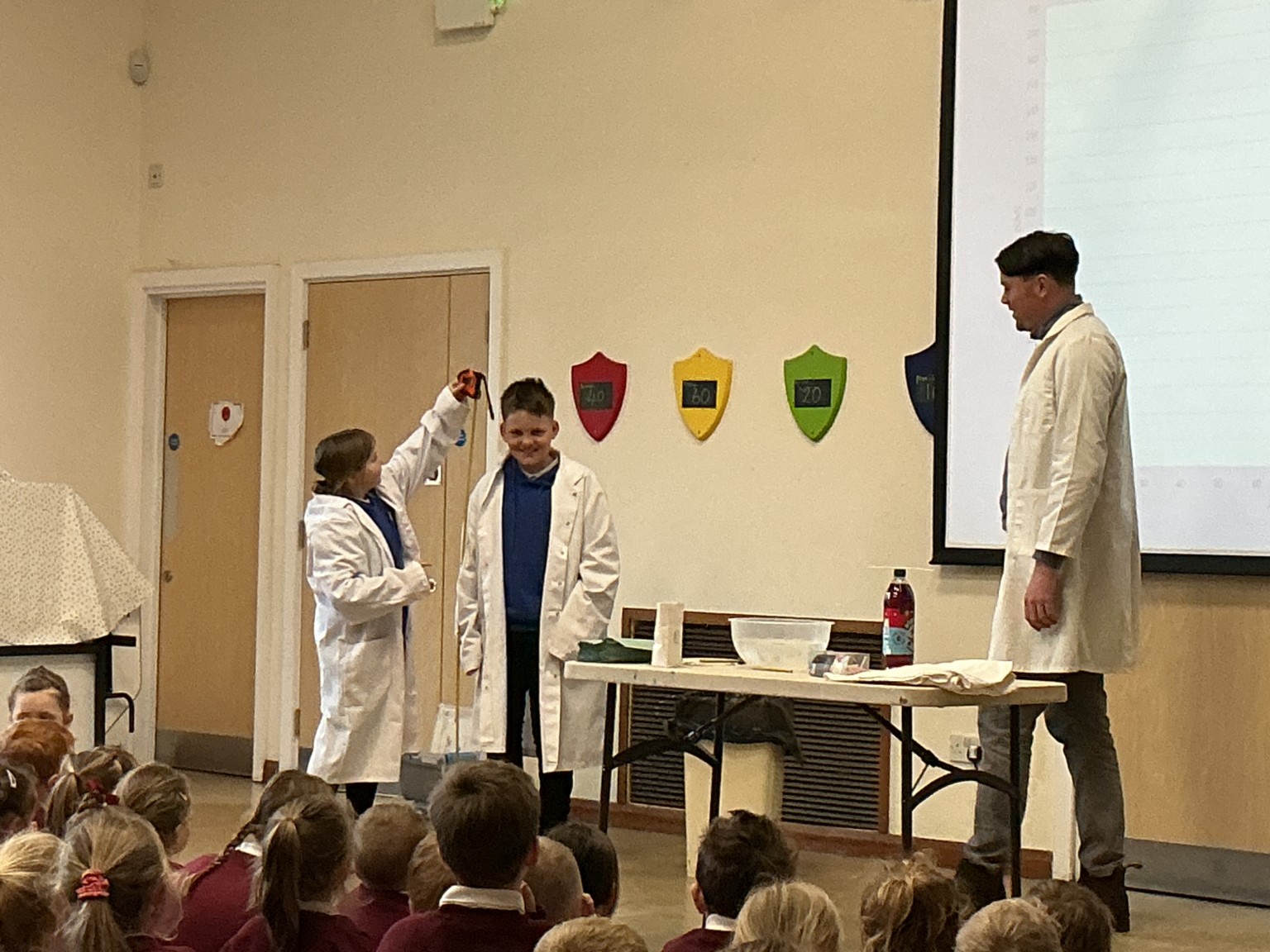
Pupil Voice - Science
Pupil Voice
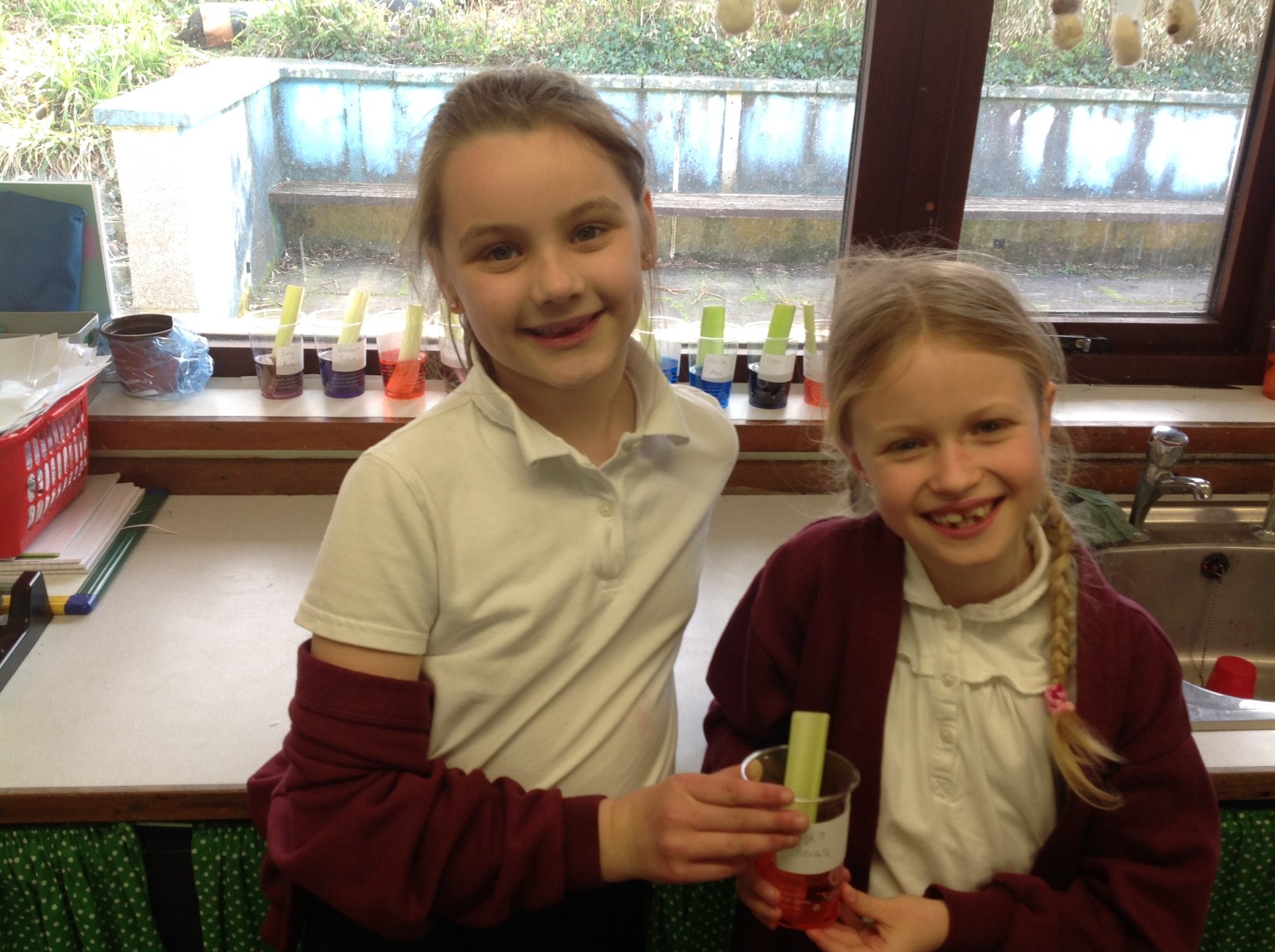
''I really enjoyed putting red liqiuid into a vase and seeing if it changes the colour of the flower.''
''I have enjoyed learning about our teeth, making circuits and creating food chains.''
''I loved tasting the different foods during Science Week and exploring gravity!''
'’I enjoyed learning about animal populations and food chains.''
''I found out that the small intestine is really long and that it is actually longer than the large intestine!''