At our school, PSHE, taught through the Kapow curriculum, helps children grow into confident, kind and resilient individuals who understand themselves and respect others. We aim to equip pupils with the knowledge and skills they need to stay healthy, safe and emotionally aware, while developing positive relationships and a strong sense of responsibility in the wider world. Through engaging, age-appropriate lessons, children learn how to manage feelings, make thoughtful choices and celebrate difference, preparing them for real-life situations both now and in the future. We want our pupils to feel curious, empowered and proud of who they are—ready to contribute positively to their community and embrace the opportunities and challenges that lie ahead.
At our school, we use the Kapow PSHE scheme to enrich pupils’ personal development while strengthening key learning skills across the curriculum. Through high-quality texts, discussion activities and carefully planned lessons, pupils develop their reading skills and broaden their vocabulary in meaningful, real-life contexts. The programme promotes inclusion and accessibility by celebrating diversity and encouraging respect, empathy and understanding. It builds cultural capital by exploring relationships, wellbeing, communities and the wider world, preparing children for life beyond the classroom. Regular opportunities for discussion and reflection enhance oracy skills, confidence and active listening. By supporting pupils’ wellbeing and emotional literacy, Kapow PSHE also contributes positively to attendance, behaviour for learning and a calm, respectful school environment.
How we know our curriculum works
We use the Kapow PSHE curriculum to support children’s personal, social and emotional development. We aim for children to:
-
Feel safe and valued;
-
Build healthy relationships;
-
Develop resilience;
-
Understand how to stay healthy (physically and emotionally);
-
Become responsible, respectful members of society.
By regularly reviewing its impact, we ensure our PSHE curriculum makes a positive difference and truly supports our children to thrive — both in school and beyond.
We evaluate impact by:
-
Assessing learning through discussions, reflection activities and end-of-unit checks.
-
Observing skills development, such as confidence, resilience, respectful communication and decision-making.
-
Monitoring wellbeing and behaviour across the school.
-
Gathering pupil and parent feedback to ensure the curriculum meets children’s needs.
This helps us ensure our PSHE curriculum supports children to feel safe, build positive relationships and develop the life skills they need to thrive.

Miss Becky Williams
Personal Development Lead
At Heamoor School, we folllow the condensed version of the Kapow PSHE curriculum coverage. This ensures we are still covering the National Curriculum statutory guidance and coverage of Relationship, Sex and Health education and actually goes beyond this, by covering some key lessons from the Citizenship and Economic wellbeing units.
Assessment approach
The Kapow lesson format incorporates opportunities for both formative and summative assessments.
Formative assessment
Each lesson begins with a ‘Recap and recall’ section, which gives pupils the opportunity to practise retrieving key knowledge relevant to the forthcoming lesson. This section allows teachers to make informal judgements about whether pupils have retained prior learning and are ready to progress.
Additionally, the ‘Assessing progress and understanding’ section in each lesson helps teachers to identify those pupils who are secure in their learning or working at a greater depth.
Summative assessment
Assessment in RSE is supported through a range of tools. These are used depending on the year group and needs of the class:
Each unit includes an Assessment quiz at the end, using multiple-choice questions, to test key knowledge from the unit. Depending on the needs of the cohort, Assessment quiz questions may be read aloud and completed in small groups, or as a whole-class activity, rather than being completed independently.
Alongside this, Knowledge catchers can be used before teaching to identify pupils’ prior understanding and again at the end to demonstrate progress and inform next steps.
Mind-map versions of the Knowledge catchers are also available for RSE. These enable pupils to record what they know about the main themes at the start of a unit and then add to it afterwards. Consequently, the mind maps provide a visible record of pupils’ learning, highlighting any gaps or misconceptions.
-
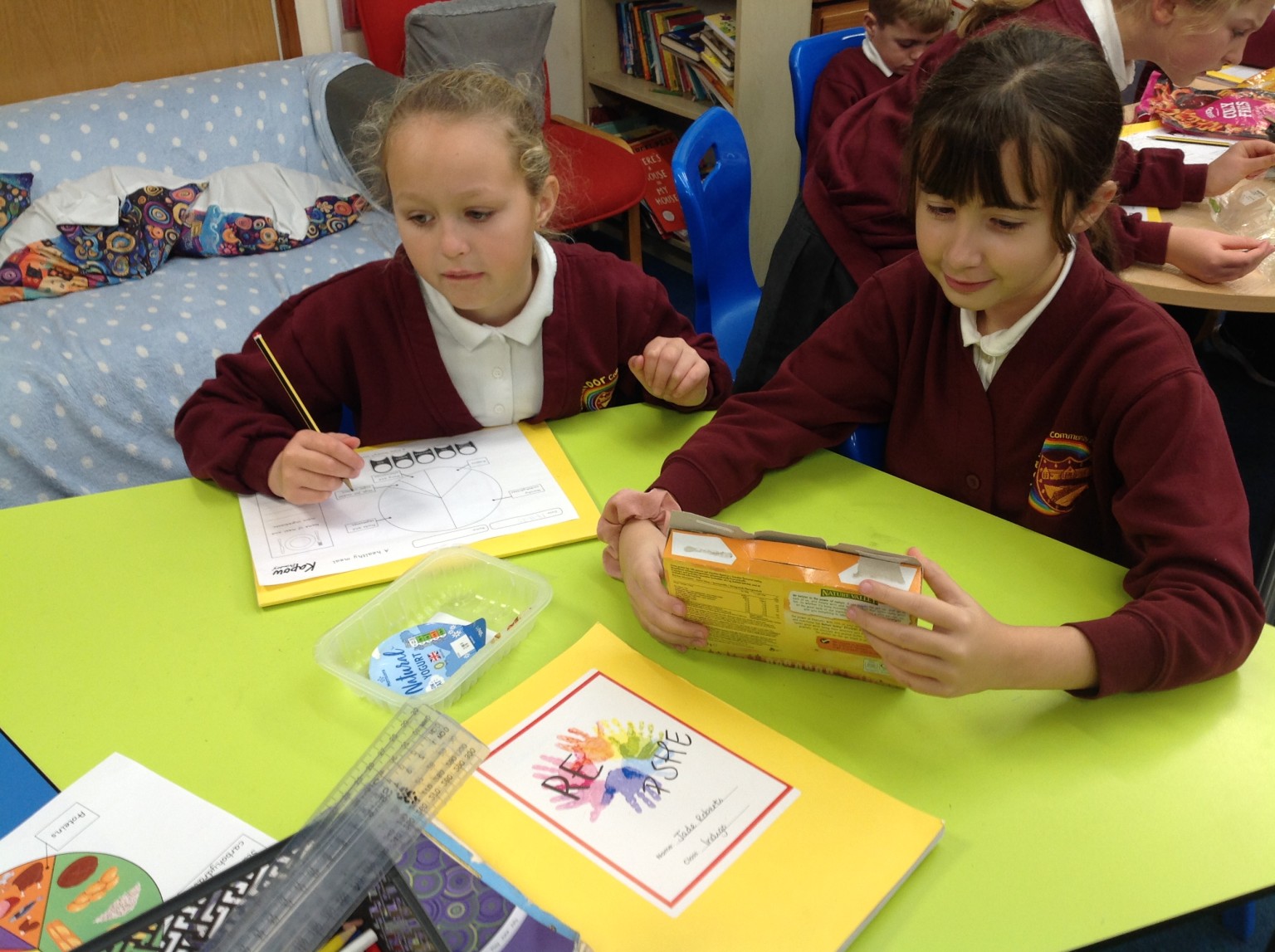
Exploring healthy food choices
-
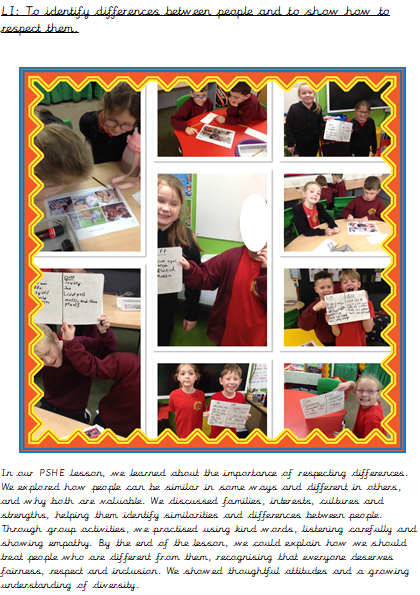
Exploring differences between us
Pupil Voice
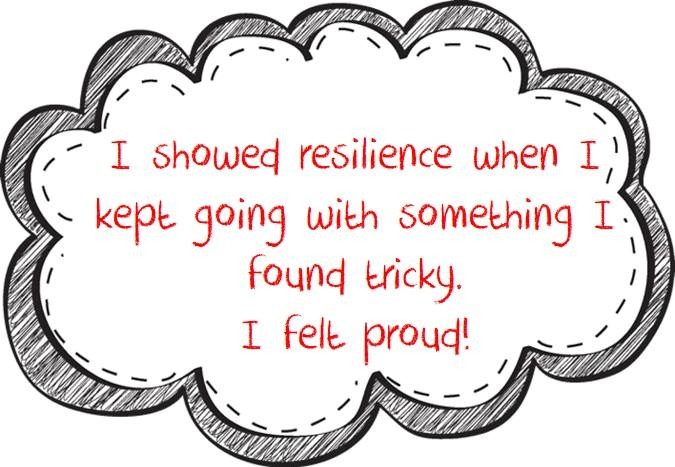
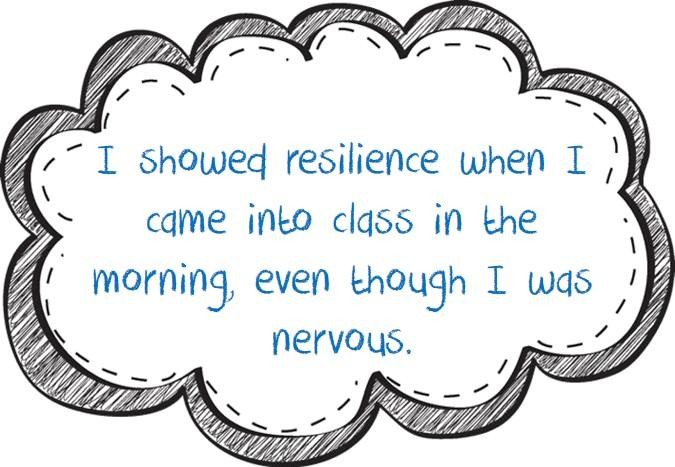
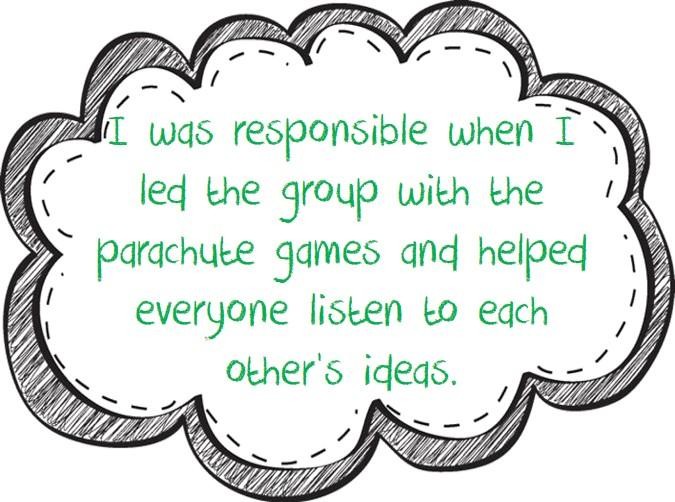
Here is a summary of comments made by pupils from different year groups when asked for their views about PSHE.
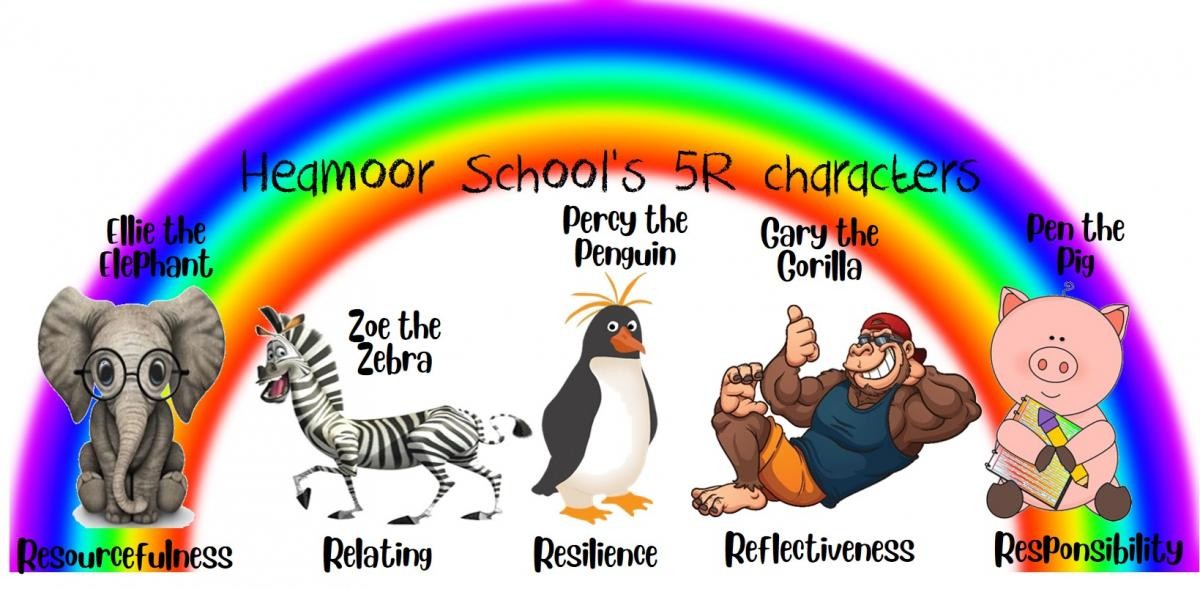
In addition to the Kapow curriculum, we support our pupils' personal and social understanding and development through the use of the following concepts. These are fully embedded in our school's ethos.