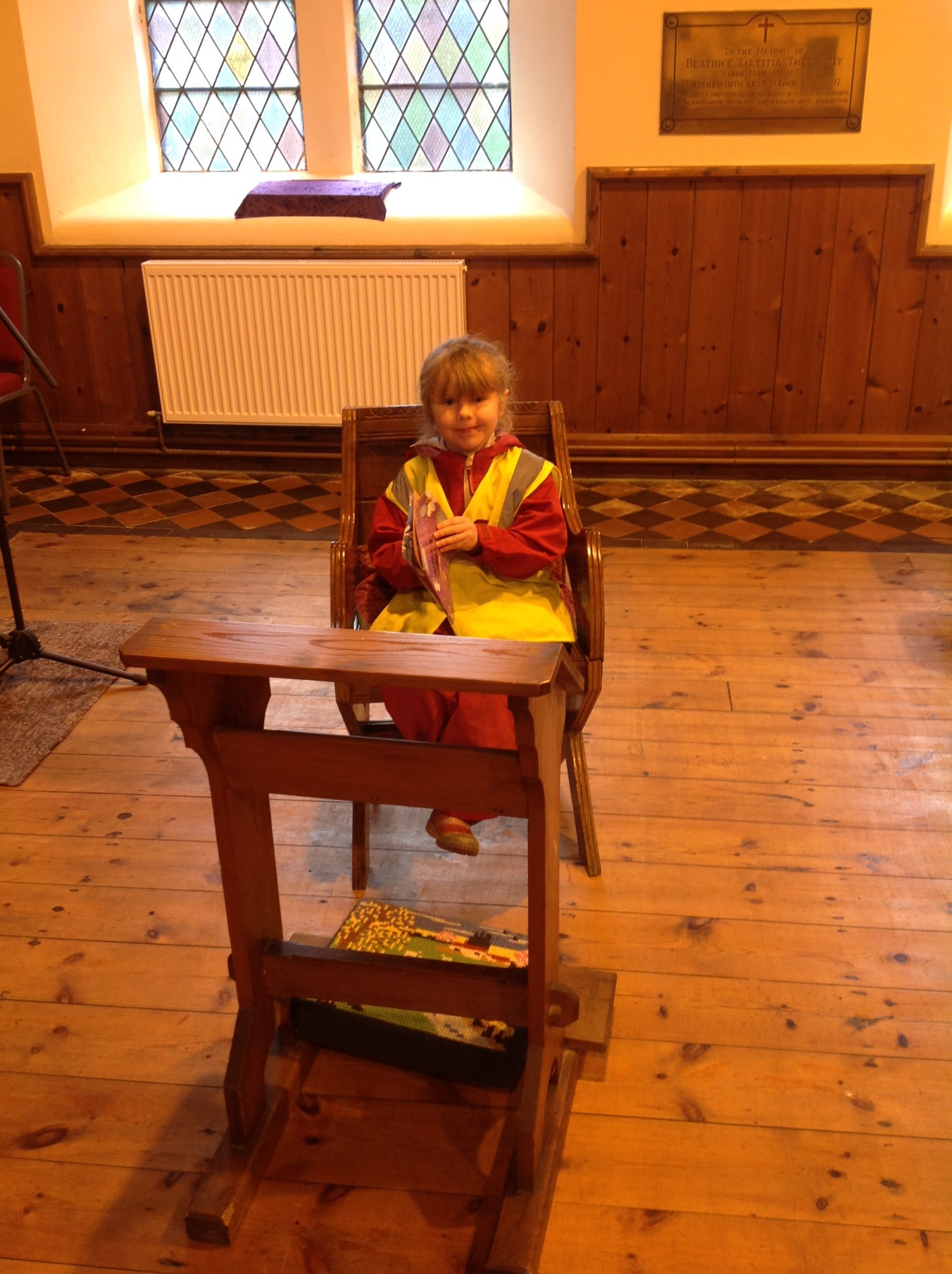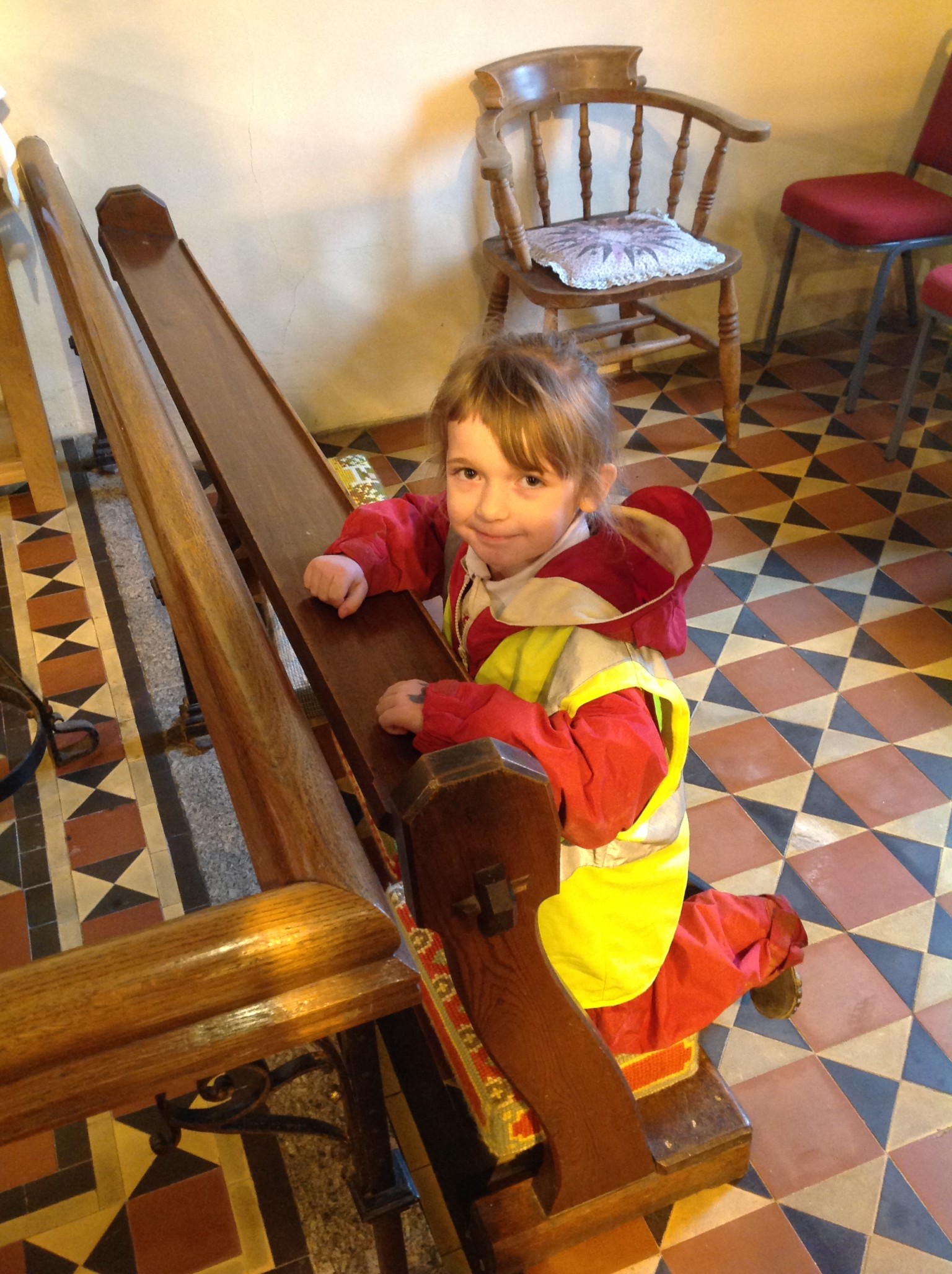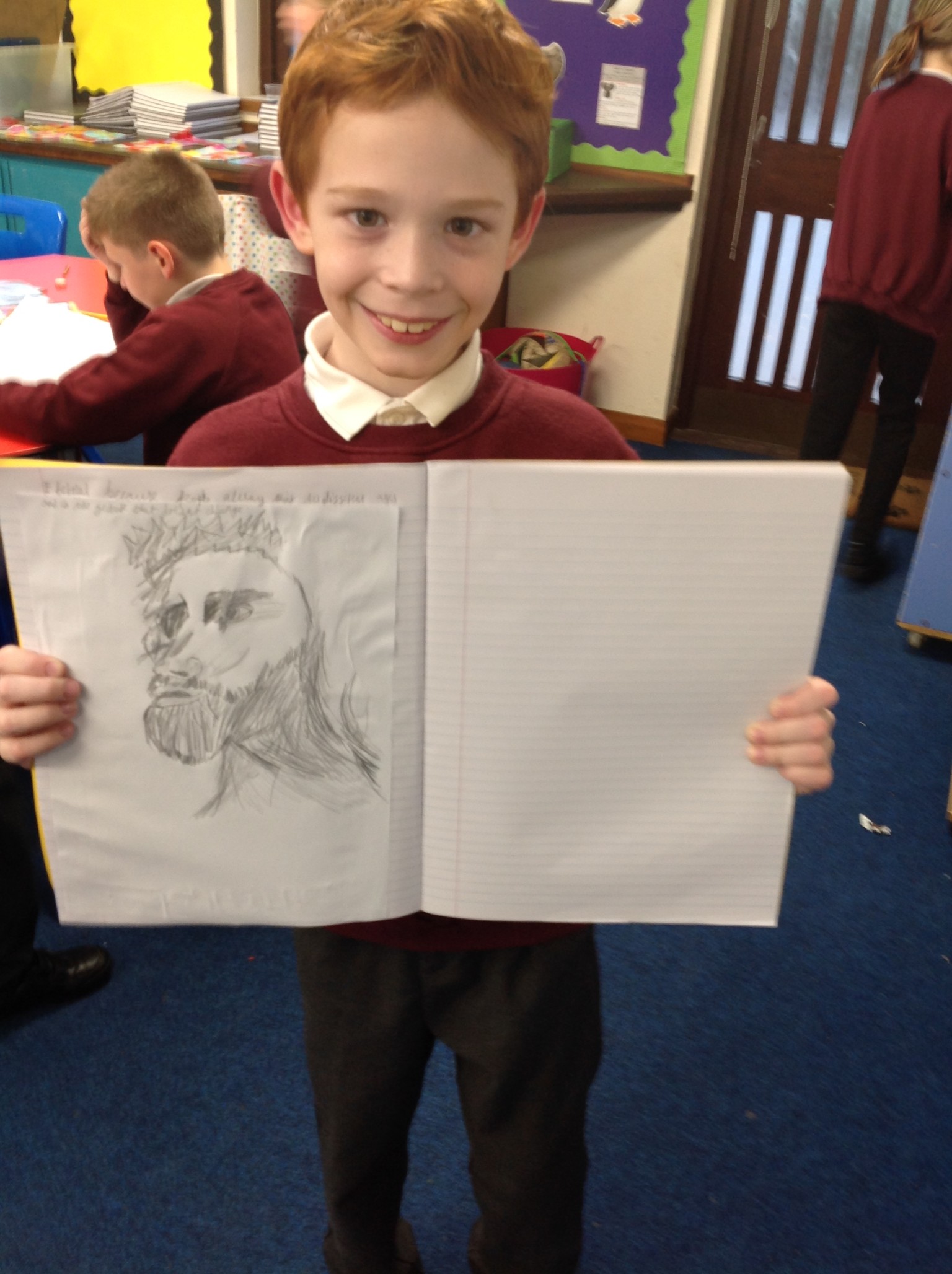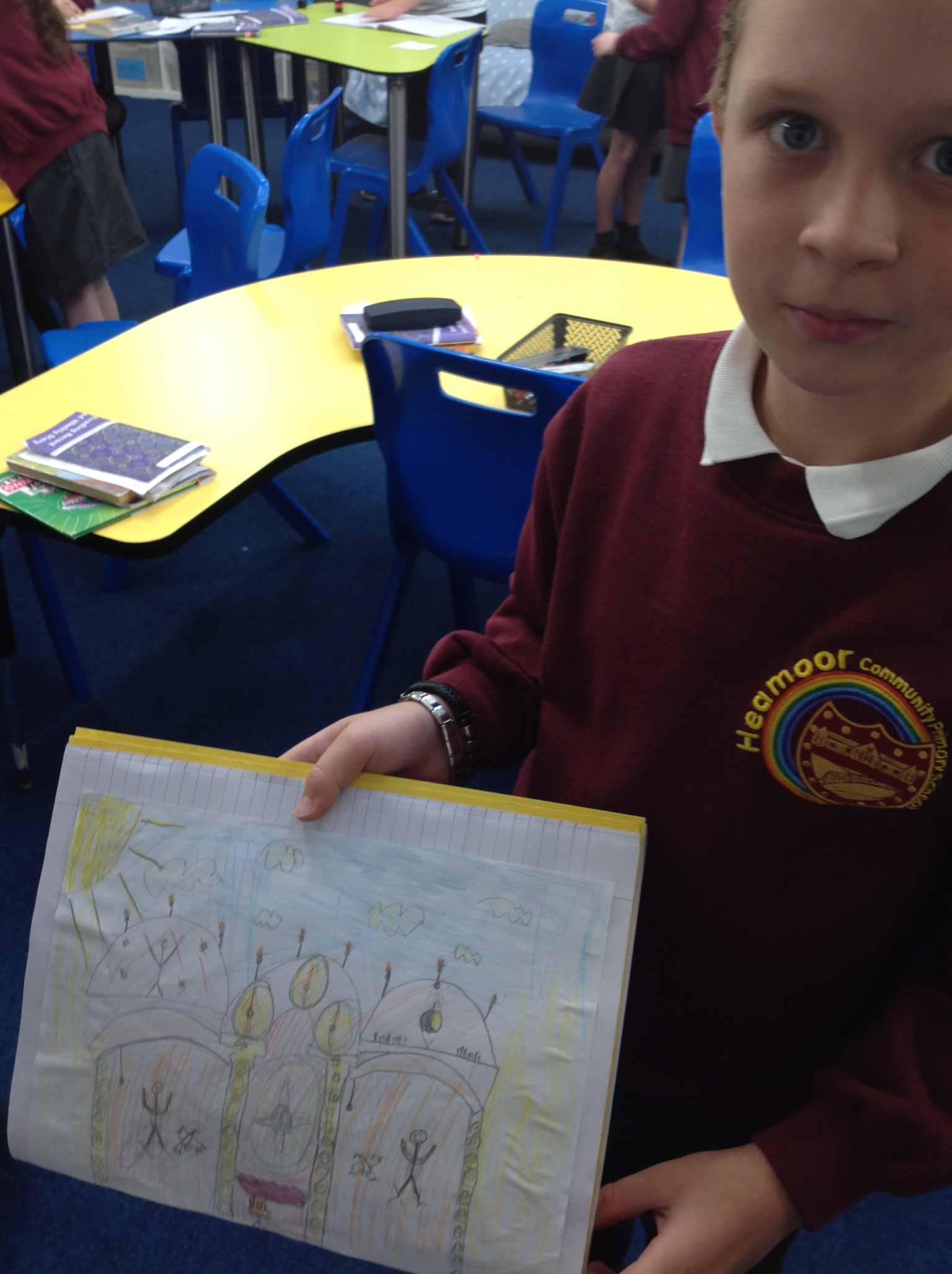
Religious Education at our school, guided by the Cornwall Agreed Syllabus (2025–2030) and the NATRE Primary Curriculum, aims to help pupils explore what people believe and what difference this makes to how they live, giving them the knowledge, understanding and skills to thoughtfully handle questions about religion and worldviews while reflecting on their own ideas and lives. Our RE curriculum is inclusive, challenging and knowledge-rich, designed as a spiral curriculum so that pupils build a secure understanding of a range of religious and non-religious worldviews over time. Christianity is studied in every key stage, alongside other principal religions, allowing children to compare, question and appreciate different beliefs and values. Through this, we nurture curious, open-minded learners who think deeply, listen respectfully and make meaningful connections between learning and everyday life. Above all, we foster warmth, excitement and a love of discovery, helping every child feel confident, inspired and supported in their learning journey. RE supports and prepares our children to become positive citizens in their communities, laying down the foundations for when they become adults, gain employment and develop the skills needed to be lifelong learners. As such, our RE curriculum plays a crucial role in linking together our British Values, PSHE and SMSC focus areas.
Religious Education (RE) helps children read and understand stories from different cultures, which builds their vocabulary and love of reading. It encourages listening and speaking skills (oracy) as children share ideas and ask questions. Learning about different religions and beliefs promotes inclusion and understanding, making everyone feel welcome. RE also broadens cultural knowledge (cultural capital) by exploring traditions, festivals, and values from around the world. By engaging with interesting topics, RE supports good attendance and positive behaviour, helping children enjoy learning every day.
How we know our curriculum works
At our school, Religious Education (RE) gives children the opportunity to explore big questions about life, beliefs, and values in a safe and supportive environment. Using NATRE Primary resources alongside Understanding Christianity, pupils learn about Christianity in depth as well as other world religions, developing a broad knowledge of beliefs, practices, and sacred stories.
Through RE, pupils develop key skills such as enquiry, reflection, discussion, and creative response, enabling them to think critically and express their ideas with confidence. They learn to consider different perspectives, show respect for diversity, and reflect thoughtfully on their own values. The curriculum is carefully sequenced to build knowledge and understanding year by year, helping pupils make connections between concepts and experiences.
We evaluate the impact of our RE curriculum in several ways. Teachers assess pupils’ understanding through discussions, written responses, creative work, and reflection activities. Progression is tracked across year groups to ensure children are developing skills and deepening understanding over time. Pupil engagement, curiosity, and respectful participation are also observed to ensure that learning has a lasting impact on attitudes and values.
he next stage of education, they are confident in discussing beliefs, asking meaningful questions, and engaging thoughtfully with the world around them. (Please see assessment section below for further information about methods used to assess impact and progress.

Miss Becky Williams
RE and Worldviews Lead
Assessment approach
Assessment in RE focuses on what children know, understand and can explain about religions and worldviews.
We assess pupils by looking at their ability to:
- Recall and describe key beliefs, stories and practices
- Use correct religious vocabulary
- Explain the meaning behind religious beliefs and actions
- Make connections between different religions and worldviews
- Reflect thoughtfully on big questions
Our Approach
We use a combination of:
Ongoing (formative) assessment
- Questioning and discussion
- Retrieval activities- sticky knowledge low-stake quizzes, in addition to recapping of key vocabulary and their definitions at the start of each lesson
- Observations of group work
- Marked written work
End-of-unit assessment
- Written explanations
- Creative responses with reflection
- Comparative tasks
- Big question responses
Progression Through the School
By the end of:
Key Stage 1, children can:
- Retell important religious stories
- Recognise key beliefs and symbols
- Begin to talk about similarities and differences
Key Stage 2, children can:
- Explain beliefs and practices clearly
- Make links between faith and daily life
- Compare religions and worldviews
- Express their own reasoned views respectfully
Why RE Assessment Matters
RE helps children to:
- Develop respect and understanding
- Think deeply about meaning and belief
- Build cultural awareness
- Prepare for life in modern Britain
Assessment ensures that all pupils make strong progress in their understanding of religion and worldviews, while encouraging curiosity and thoughtful reflection.

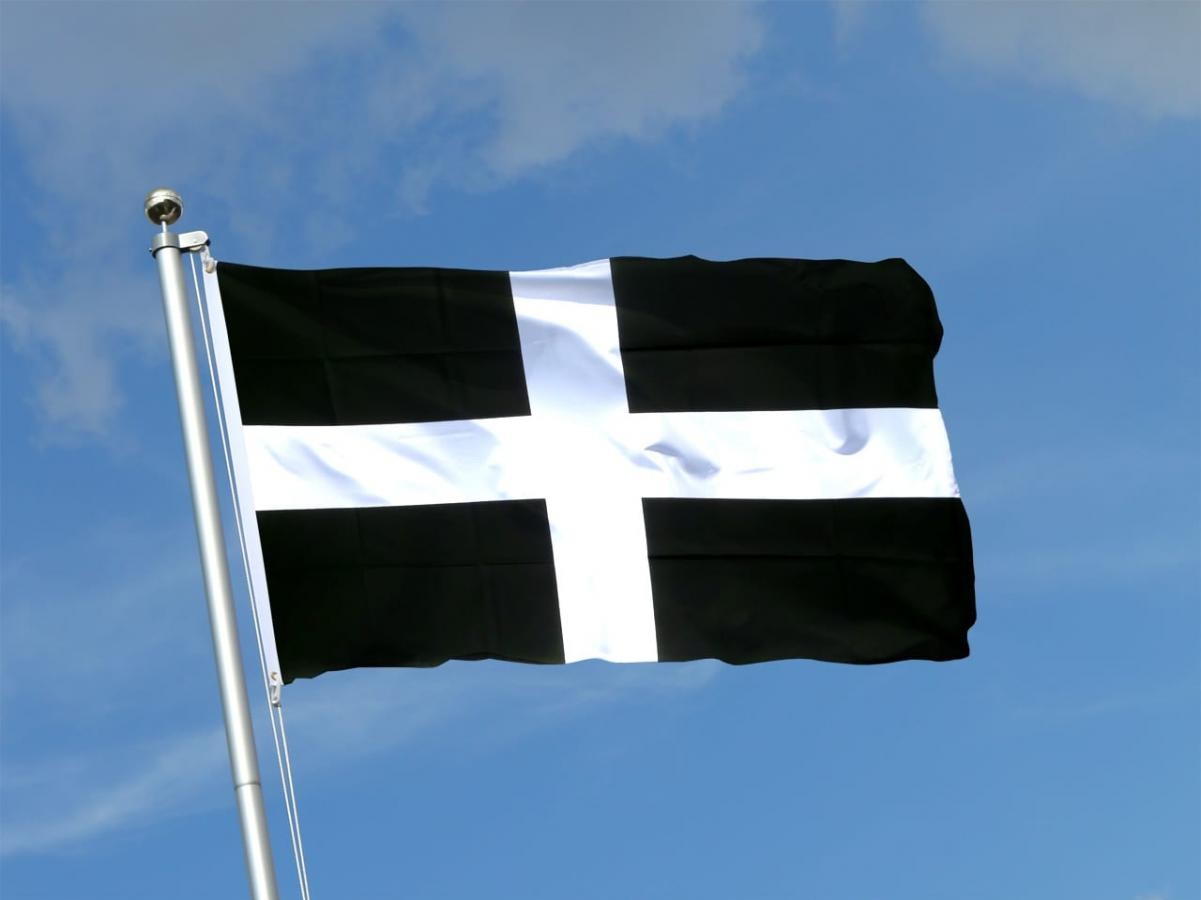
CURRICULUM KERNEWEK: ‘CK4RE’
How our RE curriculum links with the local area
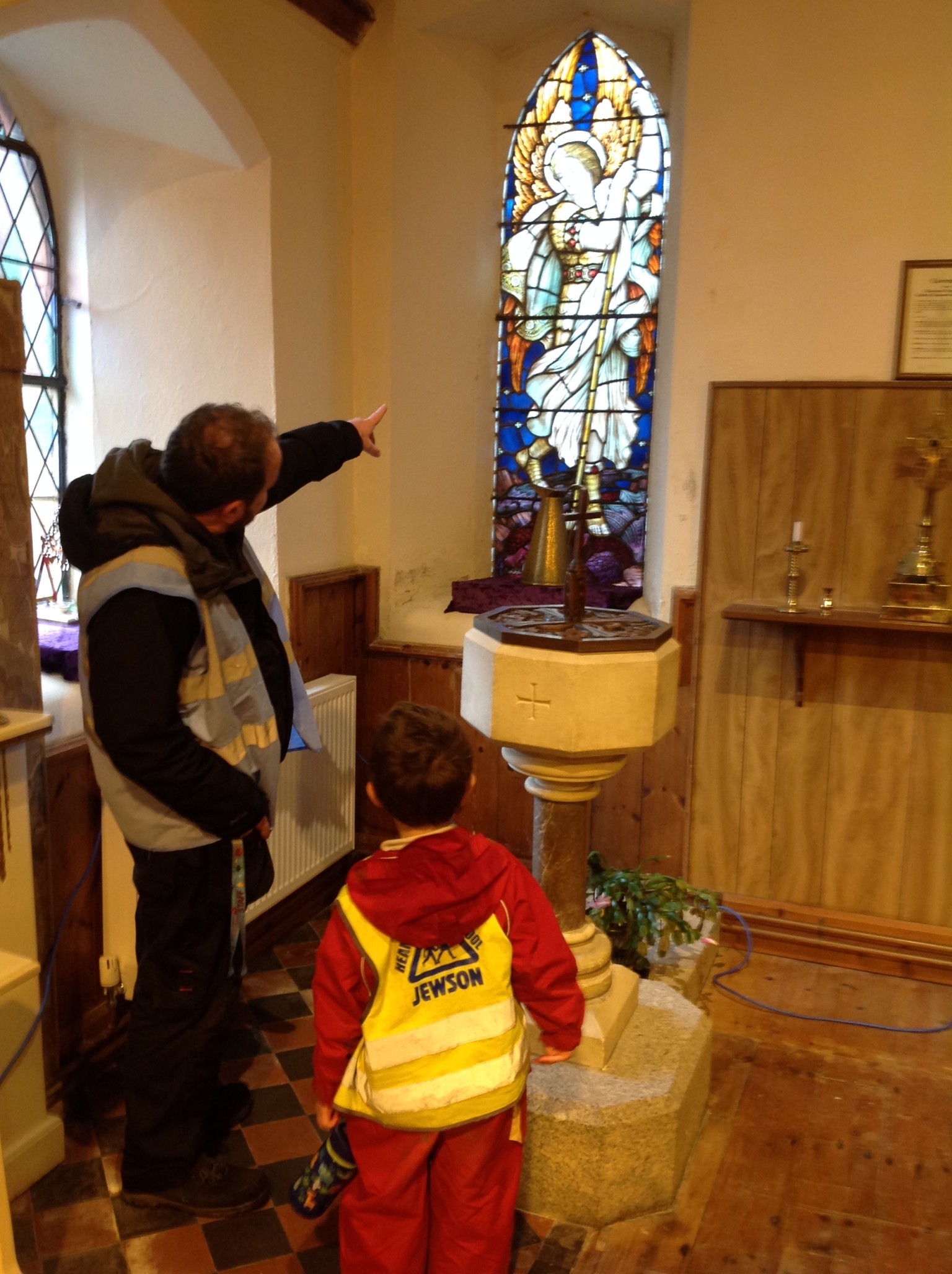
As part of the Cornwall Agreed Syllabus 2025 - 2030, pupils will look at 3 units which specifically explore RE links with the local area of Cornwall. The units are planned in for Key Stage 1, Lower Key Stage 2 and Upper Key Stage 2.
Please see the document below for details of the 3 units and what is covered during each one.